Reptiles are among the fastest-growing categories of companion animals worldwide. From leopard geckos and bearded dragons to ball pythons and iguanas, more keepers than ever are investing in high-quality terrarium setups for their animals.
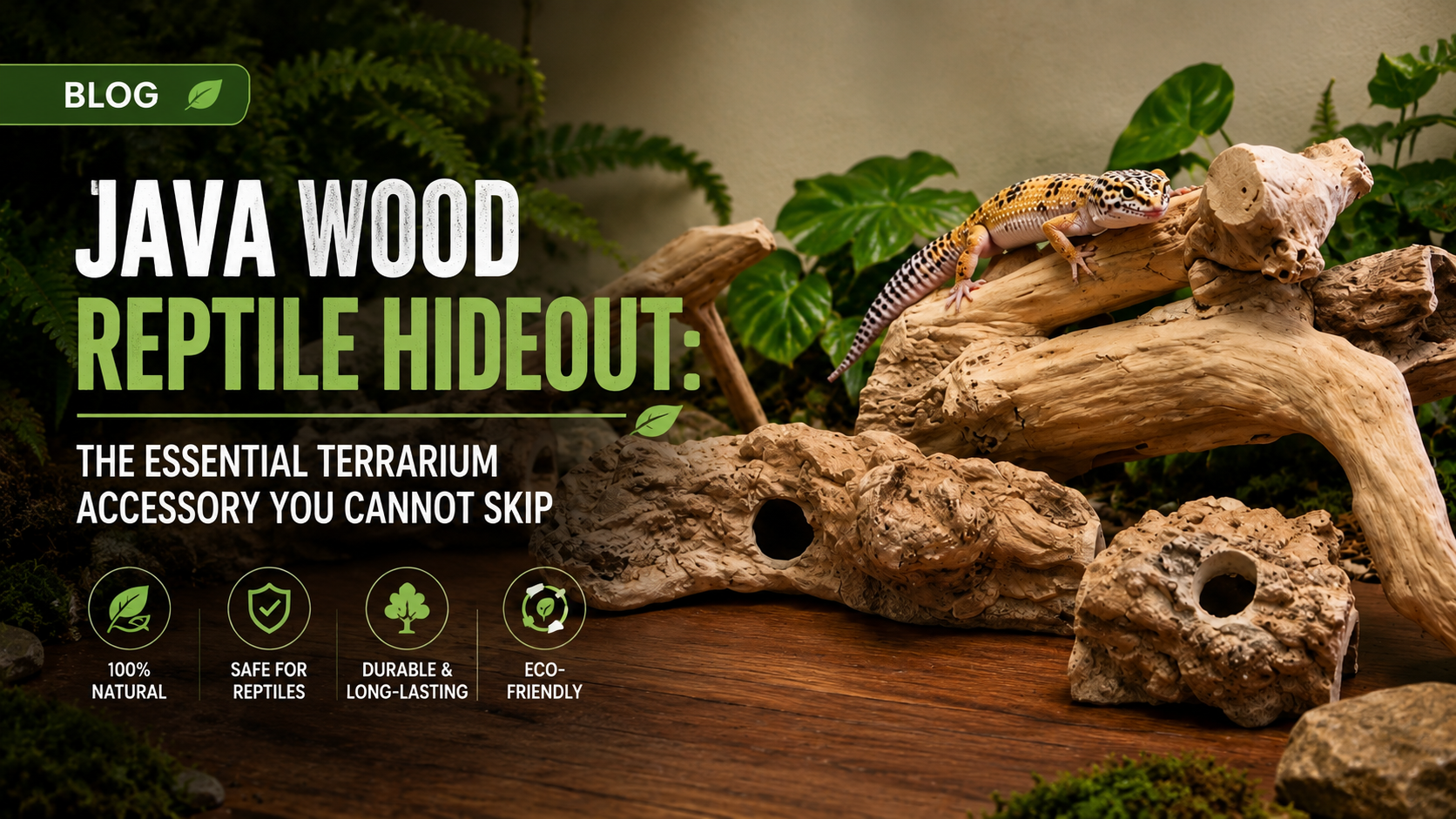
One of the most critical elements of any well-designed terrarium is the hideout — a sheltered space where reptiles can retreat to rest, regulate their body temperature, and feel secure. And few materials make a better hideout than Java Wood: the natural timber of aged coffee trees from the highlands of Vietnam.
Why Do Reptiles Need a Hideout in Their Terrarium?
In the wild, most reptile species spend a large portion of their time sheltering beneath rocks, inside burrows, or under bark. This is not timid behavior — it is a critical survival instinct that must be supported in captivity:
- Thermoregulation: Reptiles are ectothermic and rely on moving between warm and cool zones to maintain their optimal body temperature. A hideout creates a distinct thermal microclimate within the enclosure.
- Stress reduction: Reptiles without a suitable hide experience chronic stress, which leads to reduced appetite, suppressed immune function, and significantly shorter lifespans.
- Natural behavior expression: A quality hideout replicates the animal’s natural habitat, allowing it to display normal behaviors and maintain better overall wellbeing.
- Shedding support: Many species require a private, humidity-retaining space to shed successfully. Natural wood hideouts hold moisture far more effectively than plastic alternatives
 .
.
Why Java Wood Is the Ideal Material for Reptile Enclosures
Completely safe for reptiles
Java wood is processed with no chemicals whatsoever — no pesticides, no preservatives, no paint or varnish. This is particularly important because reptiles have permeable skin that is highly sensitive to chemical exposure. Natural java wood guarantees a clean, chemical-free environment at all times.
Moisture-resistant and durable in humid enclosures
Many reptile species require high ambient humidity — often between 60% and 80%. Java wood’s dense grain structure gives it natural resistance to moisture, mold growth, and structural degradation over time, making it significantly more durable than standard softwoods in humid terrarium conditions.
Natural texture encourages climbing behavior
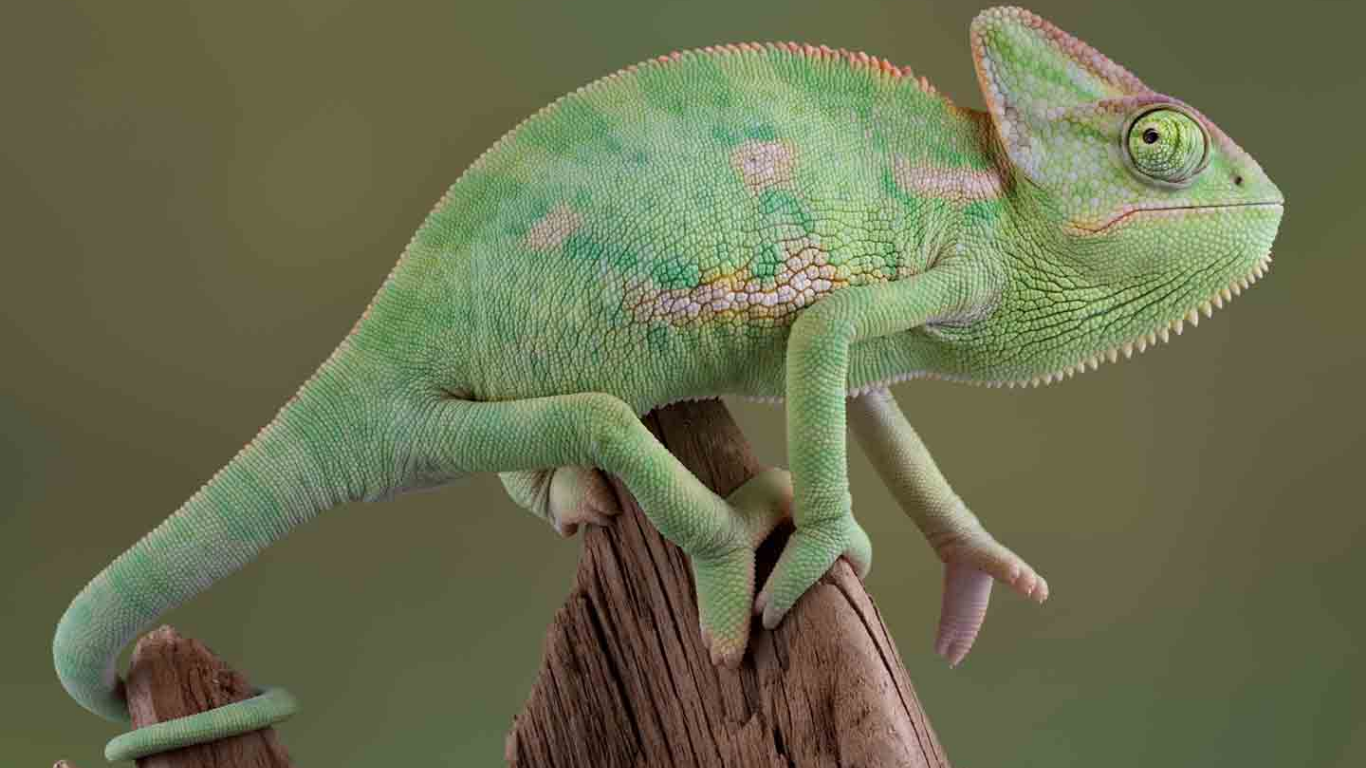
The rough, irregular surface of java wood provides multiple natural grip points. This encourages active climbing species such as geckos, anoles, and chameleons to exercise and express natural behaviors that they would otherwise be unable to perform in a barren enclosure.
Aesthetic appeal of natural terrarium design
Java wood has a warm brown tone and a unique natural form — no two pieces are identical. This creates a terrarium with genuine visual appeal, benefiting both the animal’s wellbeing and the keeper’s enjoyment of the display.
Reptile Product Range at TH GLOBAL VIETNAM
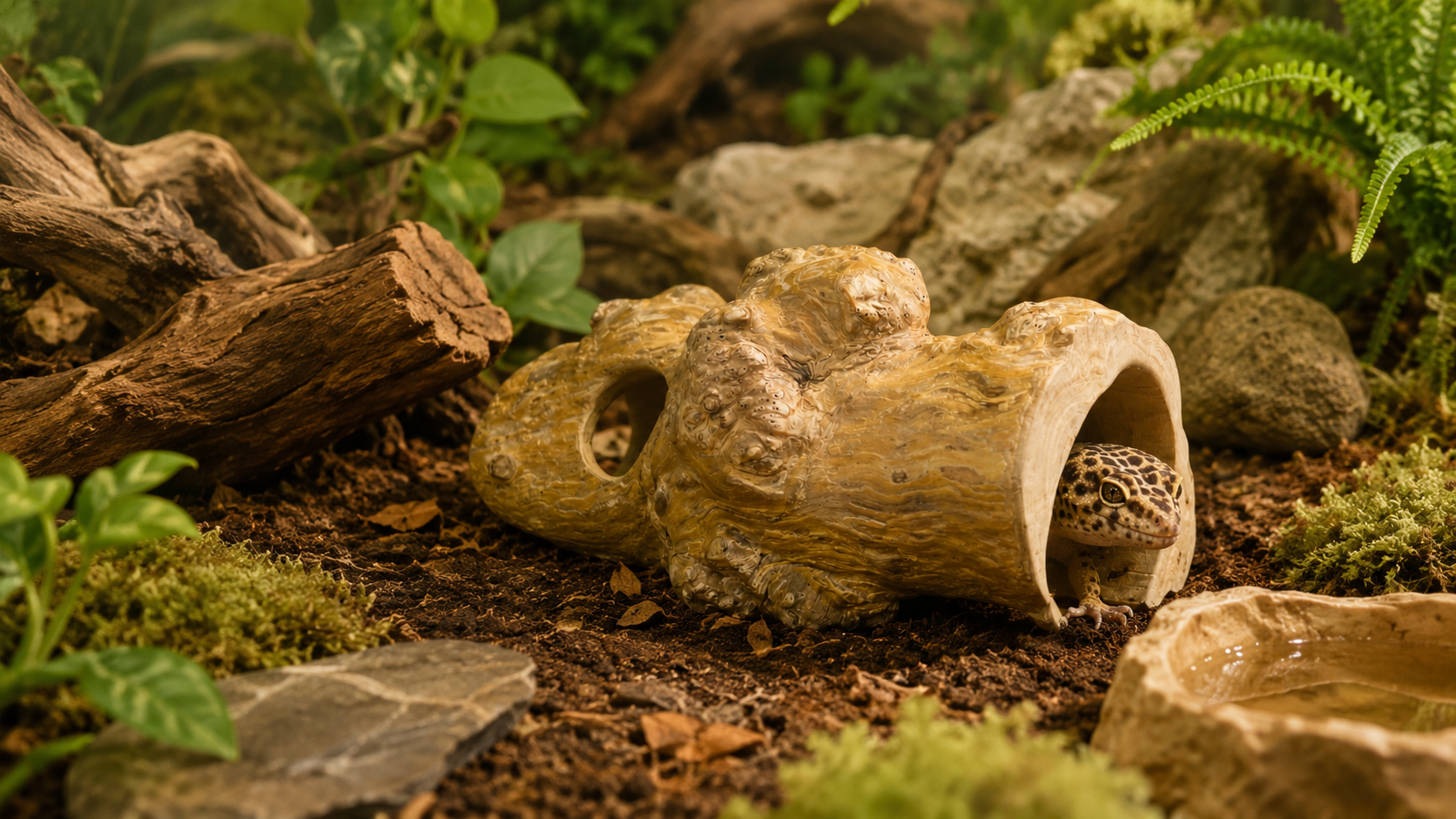
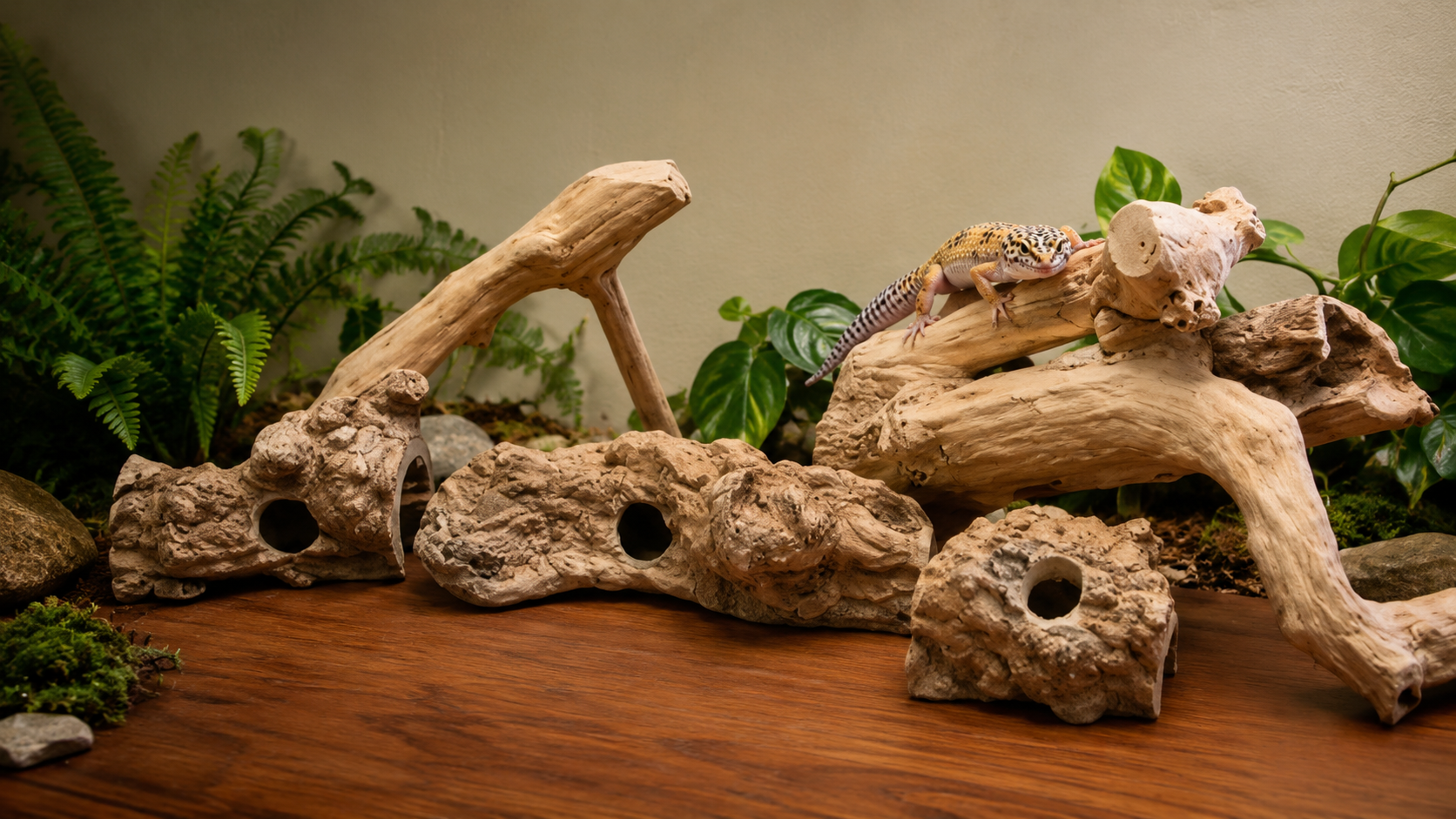
- Java Wood Reptile Hideout — natural wood hide in multiple sizes, suitable from small geckos to large iguanas
- Coffee Wood Tunnel — coffee wood tunnel for hamsters and small reptile species
- Coconut Shell Hideout — natural coconut shell hide that retains humidity effectively, ideal for moisture-dependent species
- Lizard Lounger (Dried Seagrass) — lightweight natural seagrass platform for basking lizard species
- Java Wood Climbing Branch — natural branching wood for vertical terrarium setups
Choosing the Right Hideout for Your Reptile Species
Species requiring enclosed, dark hides:
- Leopard gecko, crested gecko: Need a snug, dark, humidity-retaining hide — coconut shell hideout is the ideal choice
- Ball python: Requires a hide sized closely to the snake’s body width — select a java wood hideout that fits snugly
Climbing species:
- Bearded dragon, anole: Benefit from climbing branches and an open-top hide — combine a java wood branch with a ventilated wood hideout
- Chameleon: Require extensive climbing surfaces with minimal flat areas — java wood branching perches work perfectly
Species needing separate humid and dry zones:
- Blue-tongue skink, uromastyx: Require two hides — a humid side using coconut shell and a dry side using java wood
Size selection rule: The ideal hideout allows the reptile to fit snugly inside with its body touching both side walls. A hide that is too large will not provide the sense of security the animal needs.
How to Clean and Sanitize Java Wood Reptile Hideouts
- Weekly: Wipe surfaces with a damp cloth and remove any fecal matter or food debris
- Monthly: Soak in a solution of warm water and white vinegar at a 1:1 ratio for 30 minutes, rinse thoroughly, and allow to dry completely before returning to the enclosure
- Deep sanitization: Place the hideout in an oven at 120 degrees Celsius for 30 minutes to eliminate bacteria without damaging the wood
- Never use alcohol-based products or chemical disinfectants — these can absorb into the grain and leach harmful compounds into the terrarium environment
A Commercial Opportunity for Pet Product Distributors
The reptile supplies market is expanding rapidly, particularly in the United States (the world’s largest reptile pet market), across the EU, and in Japan. According to the American Pet Products Association, more than 9.4 million US households keep reptiles as pets, and this figure grows year on year.
Natural terrarium products — especially those made from authentic organic materials like java wood — are increasingly preferred over plastic alternatives by informed keepers. This segment still offers significant growth potential for distributors looking to diversify their pet supplies range.
TH GLOBAL VIETNAM supplies a complete line of natural reptile products with flexible MOQ, OEM and Private Label support, and full international export documentation including CITES and phytosanitary certificates.
 Contact TH Global Vietnam today to explore wholesale options.
 TH GLOBAL VIETNAM CO。、LTD
 Hotline: +84 382 803 290
 Email: [email protected]
 JA
JA  EN
EN  FR
FR  ES
ES  KO
KO