
A cat tree is one of the best investments you can make for your indoor cat. It provides a place to climb, scratch, nap, and observe the world from above. However, many cat owners face the same frustrating problem: they buy a beautiful cat tree, but their cat completely ignores it.
The good news is that you can train your cat to use a cat tree with patience and the right techniques. Even older or less active cats can learn to enjoy their new climbing space. In this guide, we’ll share practical tips to help your feline friend feel comfortable using a cat tree and turn it into their favorite spot in the house.
Why Won’t Your Cat Use a Cat Tree?
Before you train your cat to use a cat tree, it’s important to understand why some cats avoid them.
Common reasons include:
- The cat tree is placed in an unsuitable location.
- The size or height doesn’t match your cat’s preferences.
- Your cat is unfamiliar with the new furniture.
- The material or texture doesn’t appeal to your cat.
- Your cat simply needs more encouragement.
Cats are naturally cautious with new objects, so it may take a little time before they feel comfortable exploring a new cat tree.
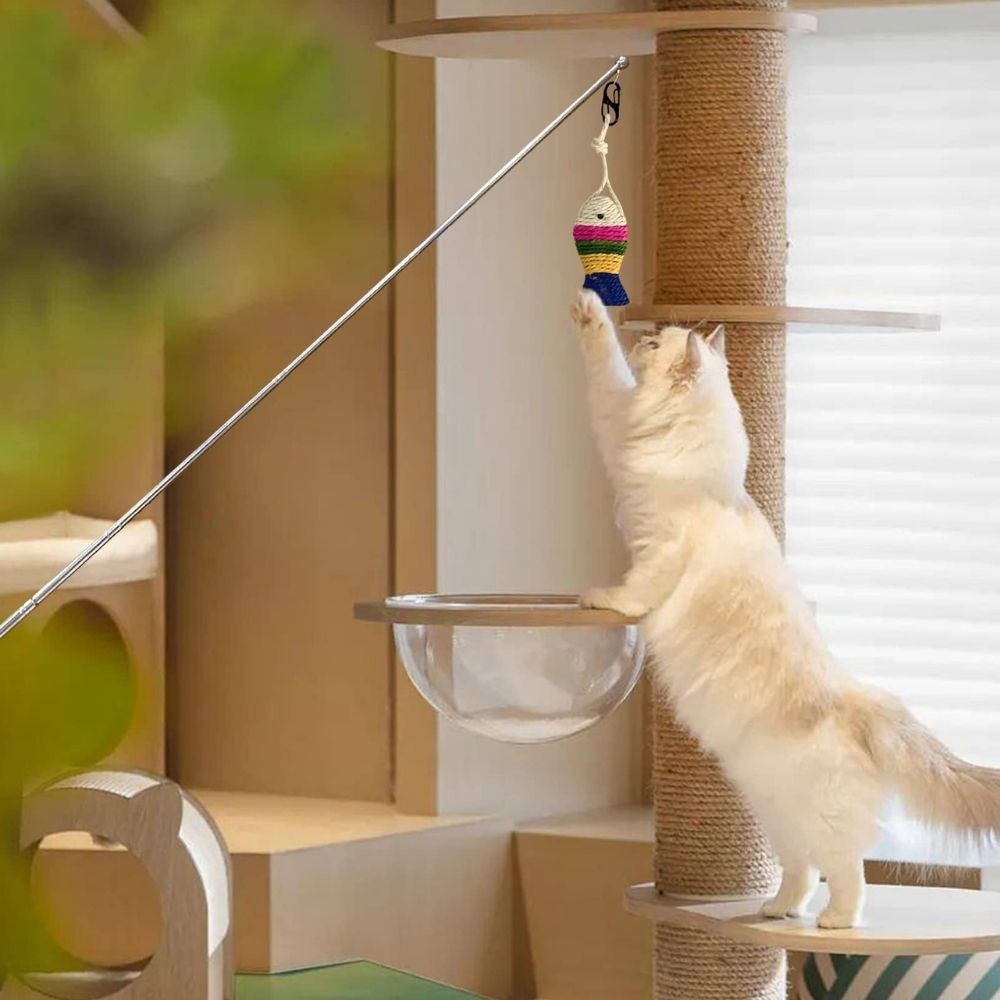
Choose the Right Cat Tree
Training starts with selecting the right equipment. If the tree doesn’t suit your cat, no amount of encouragement will be effective.
Consider:
- A sturdy, stable base
- Platforms large enough for your cat
- Scratching posts wrapped in natural rope
- Comfortable resting areas
- Appropriate height for your cat’s confidence level
Manufacturers such as TH 글로벌 베트남 are developing eco-friendly cat furniture using natural materials like coffee wood, cotton rope, coconut fiber, and hemp rope to create durable and attractive climbing structures.
Learn more about How to Choose the Right Cat Tree for Your Cat Size and Personality
Place the Cat Tree in the Right Location
Location is one of the biggest factors when you train your cat to use a cat tree.
Instead of hiding it in a quiet corner, place it where your cat already spends time.
Ideal locations include:
- Near a favorite window
- Close to the family living area
- Beside an existing scratching post
- Near your cat’s favorite sleeping place
Cats enjoy observing their surroundings, so a window with outdoor views often makes the cat tree much more appealing.
Use Positive Reinforcement
Never force your cat onto the tree. Instead, reward every interaction.
You can encourage your cat by:
- Offering treats on different platforms
- Praising them when they climb
- Using a clicker if your cat is clicker-trained
- Rewarding even small steps toward the tree
Positive reinforcement helps your cat associate the cat tree with enjoyable experiences.
Learn more about 5 Quick Tips On How To Introduce A Cat To New Cat Furniture
Make the Cat Tree More Attractive
Sometimes your cat simply needs a reason to investigate.
Try adding:
- Catnip (for cats that respond to it)
- Feather toys
- Hanging teaser toys
- Favorite blankets
- Small treats hidden on different levels
These additions stimulate curiosity and naturally train your cat to use a cat tree through play.
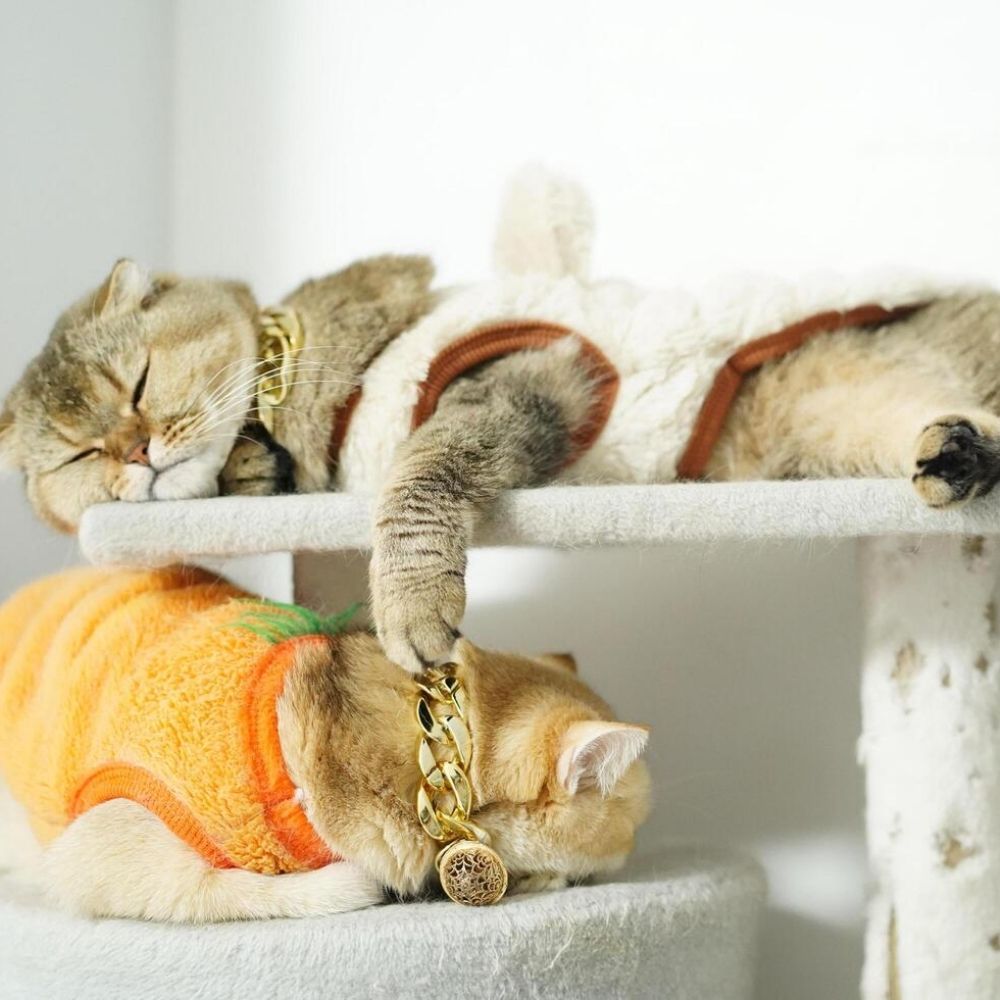
Encourage Climbing Through Interactive Play
Interactive play is one of the fastest ways to build positive habits.
Use a wand toy or feather teaser to guide your cat onto the platforms.
Move the toy gradually higher so your cat climbs naturally without feeling pressured.
This method works particularly well for kittens and playful adult cats.
Tips for Lazy or Older Cats
Not every cat enjoys climbing tall structures immediately.
For lazy or senior cats:
- Start with lower platforms.
- Choose cat trees with ramps or steps.
- Keep sessions short and positive.
- Reward every successful climb.
Patience is key. Some cats may take several days or even weeks before they fully accept a new cat tree.

Common Mistakes to Avoid
When trying to train your cat to use a cat tree, avoid these common mistakes:
- Forcing your cat onto the tree
- Moving the tree frequently
- Punishing your cat for ignoring it
- Choosing a tree that is unstable
- Giving up too quickly
Cats learn best at their own pace.
According to the American Association of Feline Practitioners, providing vertical spaces and environmental enrichment plays an important role in reducing stress and encouraging healthy natural behaviors in indoor cats.
Learning how to train your cat to use a cat tree doesn’t require complicated techniques. With the right location, positive reinforcement, and a little patience, most cats will eventually begin using their cat tree regularly.
Even lazy cats can become more active when given an inviting environment that matches their personality and natural instincts.
A well-designed cat tree not only protects your furniture from scratching but also provides exercise, mental stimulation, and a safe place where your cat can relax and observe the world.
 KO
KO  EN
EN  FR
FR  ES
ES  JA
JA