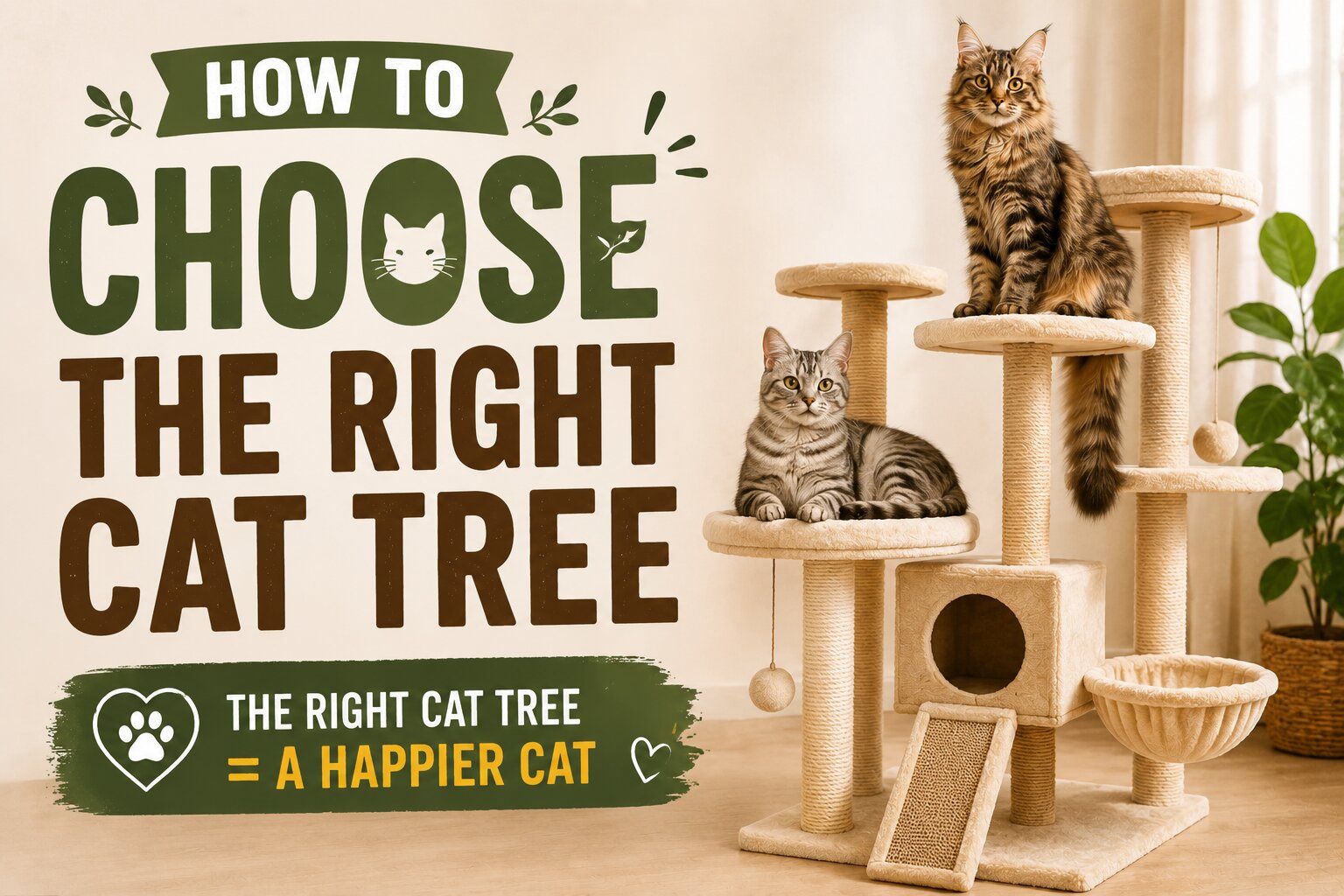
A cat tree is more than just a piece of furniture—it is a space where cats can climb, scratch, rest, play, and observe their surroundings. However, choosing the wrong cat tree size can result in an uncomfortable experience for your pet and may even discourage them from using it.
The ideal cat tree should match both your cat’s physical size and personality. A playful kitten has very different needs from a large Maine Coon, while an energetic climber requires a different setup than a quiet senior cat. Understanding these factors will help you select the perfect cat tree for long-term comfort and enrichment.
In this guide, we’ll explain how to choose the right cat tree size based on your cat’s breed, weight, age, and behavior.
Why Cat Tree Size Matters
Many pet owners focus on appearance when purchasing a cat tree, but size should be the first consideration.
A properly selected cat tree size offers:
- Better stability and safety
- Comfortable sleeping and resting areas
- Adequate space for climbing and stretching
- Longer product lifespan
If the cat tree is too small, larger cats may struggle to use it comfortably. If it is too large for a timid cat, they may feel overwhelmed and avoid using it.
Choose a Cat Tree Based on Your Cat’s Size
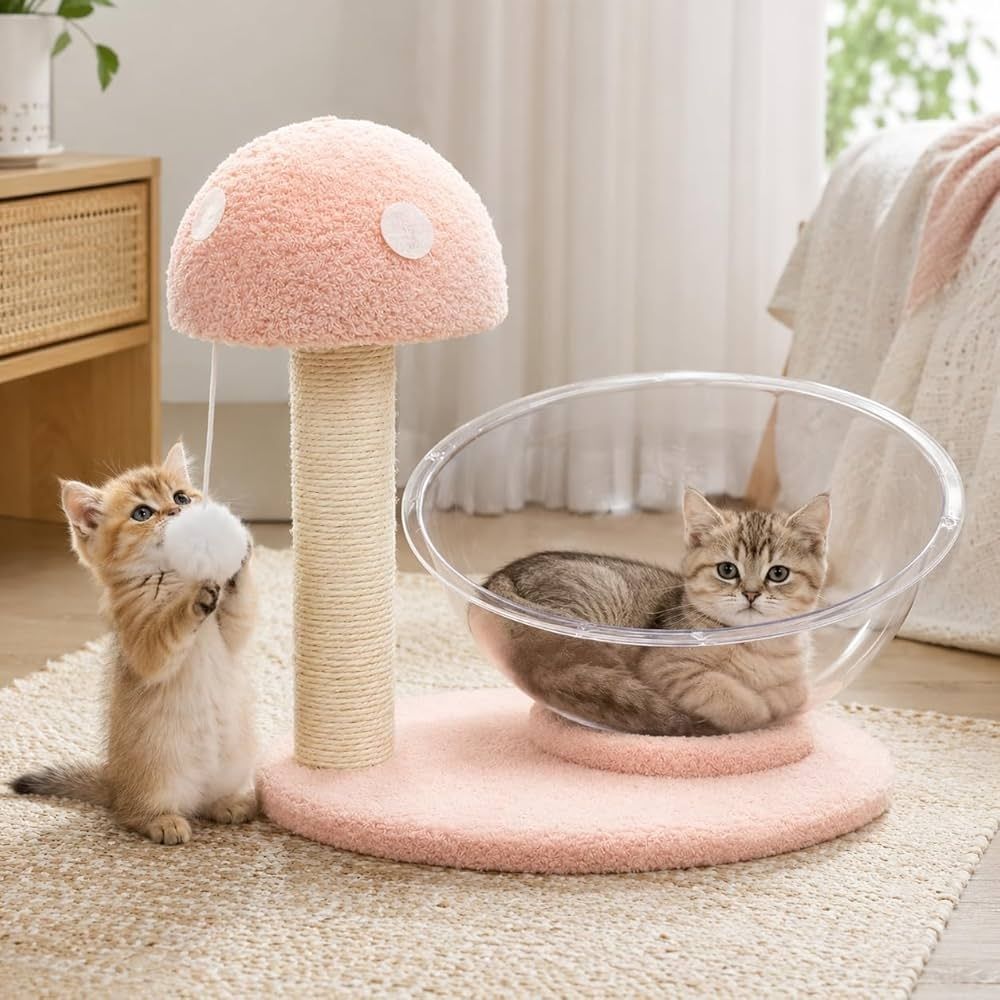
Small Cats and Kittens
For kittens and small breeds weighing under 4 kg, a compact cat tree is usually sufficient.
Recommended features:
- Height of 80–120 cm
- Small platforms
- Soft resting areas
- Low climbing difficulty
Examples:
- Singapura
- Munchkin
- Young kittens
A smaller cat tree size allows young cats to climb safely while building confidence.
Medium-Sized Cats
Most household cats fall into this category, weighing between 4–7 kg.
Recommended features:
- Height of 120–160 cm
- Multiple platforms
- Scratching posts
- Comfortable sleeping perch
Examples:
- Domestic Shorthair
- British Shorthair
- American Shorthair
For average-sized cats, a medium cat tree size provides a good balance between activity and relaxation.
Large and Giant Cat Breeds
Large cats require stronger structures and larger resting platforms.
Recommended features:
- Height above 160 cm
- Reinforced base
- Wide sleeping beds
- Thick scratching posts
Examples:
- Maine Coon
- Norwegian Forest Cat
- Ragdoll
- Siberian Cat
Choosing an oversized cat tree size for large breeds helps prevent tipping and ensures comfort.
Consider Your Cat’s Personality
Physical size is only part of the decision. Personality also plays a major role when selecting the right cat tree.
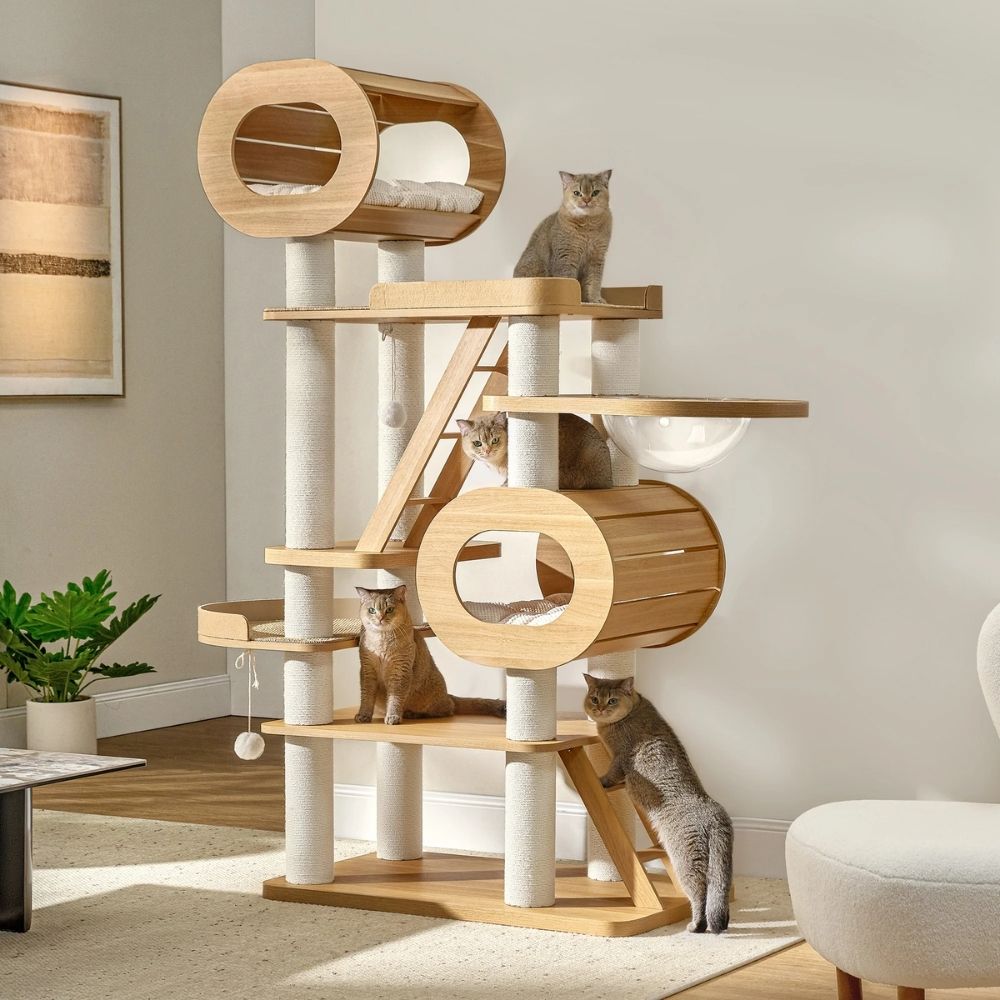
Active Climbers
Some cats love jumping, climbing, and exploring high places.
Look for:
- Tall cat trees
- Multiple levels
- Climbing ramps
- Elevated observation platforms
These cats often prefer vertical spaces where they can observe their environment.
Relaxed and Lazy Cats
Not all cats enjoy climbing. Some prefer lounging and sleeping throughout the day.
Ideal features include:
- Large beds
- Cozy hammocks
- Wide platforms
- Easy access levels
For these cats, comfort is often more important than height.
Shy and Timid Cats
Nervous cats tend to seek security.
Recommended features:
- Enclosed condos
- Hideaway boxes
- Covered resting spaces
A cat tree with private areas helps anxious cats feel protected.
Social and Curious Cats
Outgoing cats enjoy interaction and activity.
Look for:
- Hanging toys
- Multiple scratching areas
- Open platforms
- Interactive features
A larger cat tree size often works well for these energetic personalities.
Multi-Cat Households Need Bigger Cat Trees
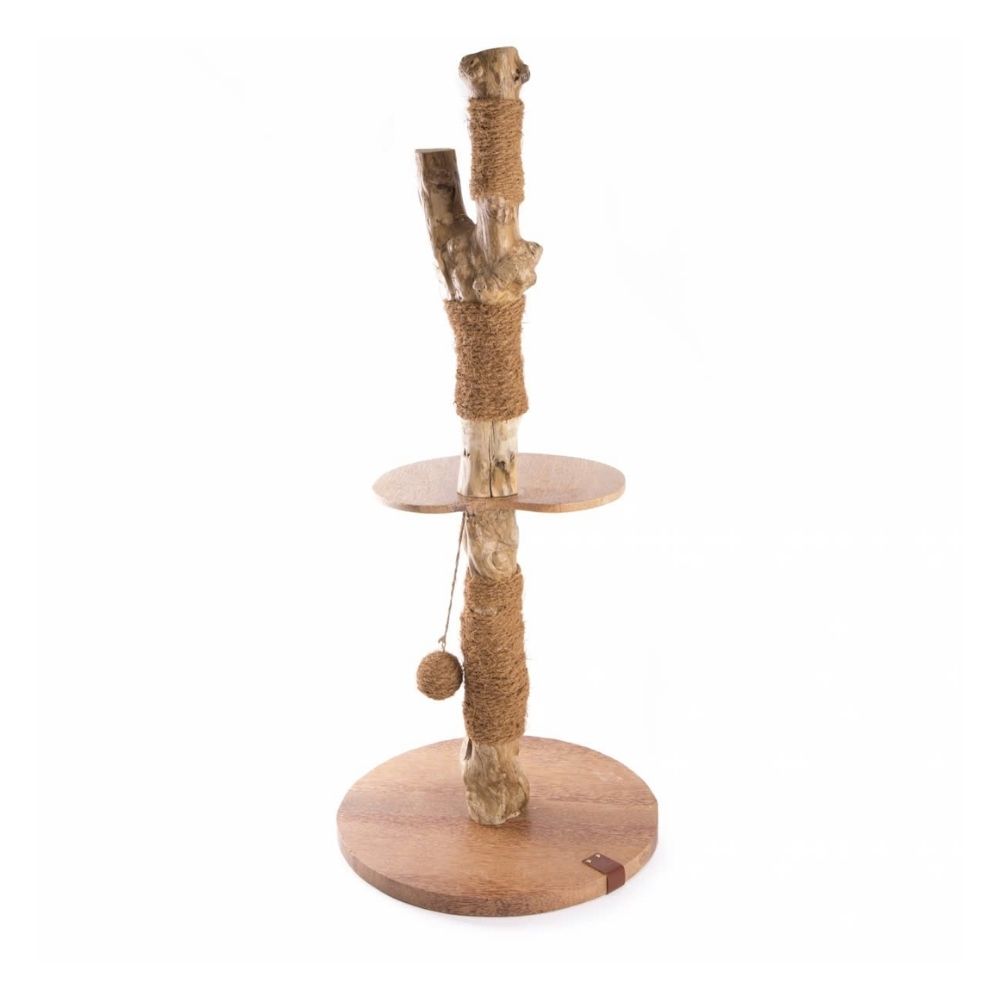
If you have more than one cat, choosing the correct cat tree size becomes even more important.
A multi-cat tree should provide:
- Several sleeping spots
- Multiple scratching posts
- Different platform heights
- Strong structural support
Cats often establish their own preferred levels, helping reduce competition and stress.
Natural Materials Make a Difference
Many modern cat trees incorporate natural materials such as wood, cotton rope, hemp rope, or coffee wood branches.
Manufacturers such as THグローバルベトナム are increasingly developing eco-friendly pet furniture using sustainable materials that combine durability with natural aesthetics.
Guidelines on feline enrichment from the American Association of Feline Practitioners emphasize the importance of vertical space and climbing opportunities for indoor cats.
Selecting the right cat tree size is about more than measuring dimensions. The best cat tree should match your cat’s weight, age, activity level, and personality.
Before purchasing, consider:
- Your cat’s breed and size
- Climbing habits
- Sleeping preferences
- Number of cats in the home
A well-chosen cat tree provides years of enrichment, exercise, comfort, and security, helping your cat live a happier and healthier life.
 JA
JA  EN
EN  FR
FR  ES
ES  KO
KO