Not long ago, pet furniture served one purpose: functionality.
A scratching post was simply a scratching post. A bird stand was just a place for birds to perch. Most products were designed with the pet in mind, while aesthetics came second.
Today, however, consumer expectations have changed dramatically.
Pet owners increasingly view their pets as family members. As a result, they want products that not only improve their pets’ lives but also complement their homes. This shift is creating a new category that many retailers and manufacturers now call pet furniture home decor.
Instead of hiding pet products in a corner, consumers want them to become part of their living space.
The Global Pet Furniture Market Continues to Grow
The numbers tell a compelling story.
According to market research, the global pet furniture market was valued at approximately USD 4.0 billion in 2025 and is expected to reach USD 5.7 billion by 2034. North America alone accounted for more than 40% of the global market share. The growth is driven by increasing pet ownership, pet humanization, and demand for stylish and functional products.
Other industry reports project even stronger growth. The global pet dog and cat furniture market is expected to reach more than USD 6 billion within the next decade as consumers continue investing in premium products for their pets.
These figures show that pet furniture is no longer a niche category. Instead, it is becoming a significant segment within the broader pet industry.
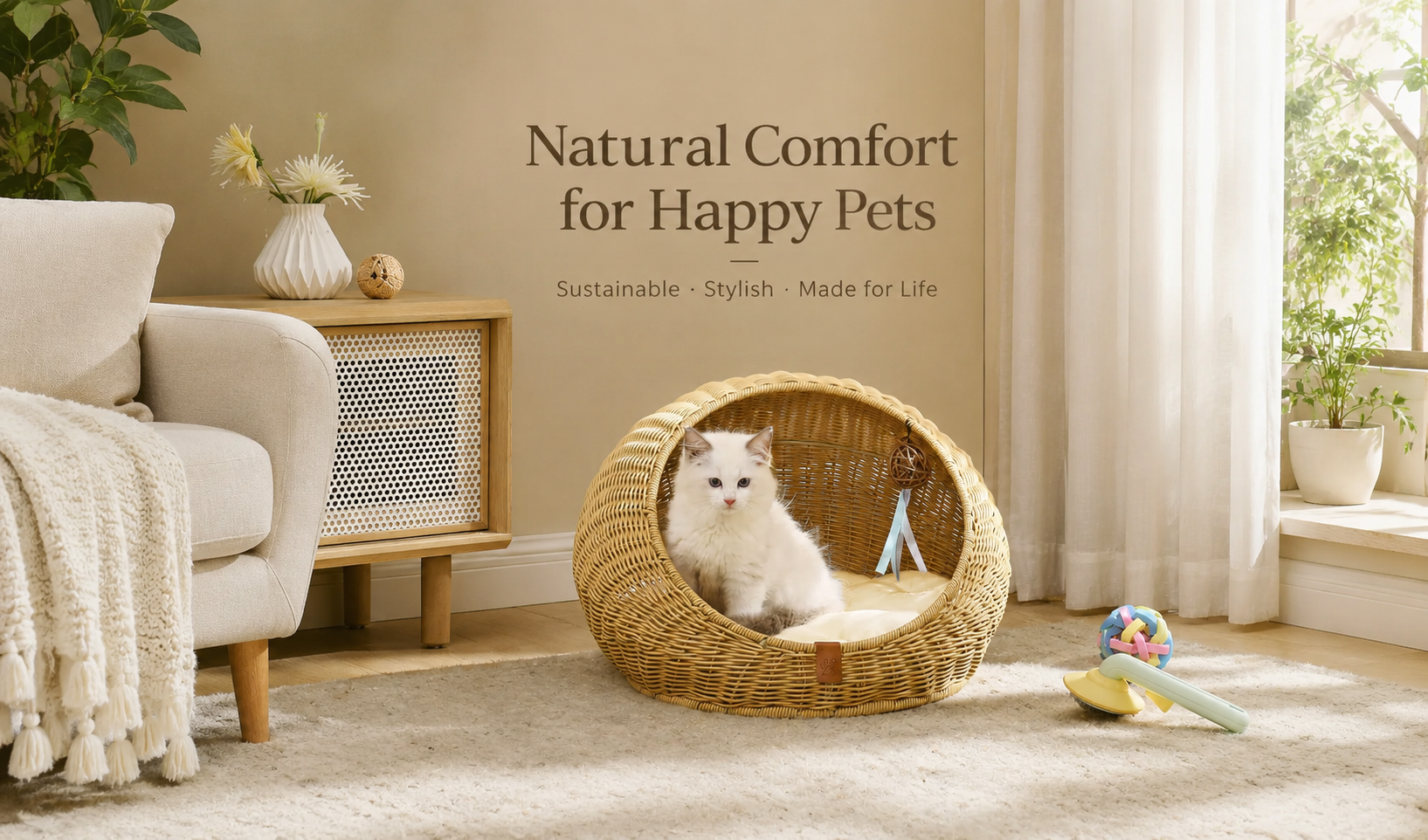
Pets Are Influencing Home Design More Than Ever
One of the biggest changes in recent years is the way pets influence interior design decisions.
Designers report growing demand for pet-friendly spaces, including custom feeding stations, climbing structures, built-in pet furniture, and decorative pet accessories that blend seamlessly into modern homes. Pet owners increasingly want furniture that looks beautiful while remaining practical for daily use.
In fact, the trend has become so popular that it has earned its own nickname: “barkitecture.” The term refers to home design that incorporates pet-friendly features without compromising style.
This trend creates opportunities for products that serve both pets and homeowners.
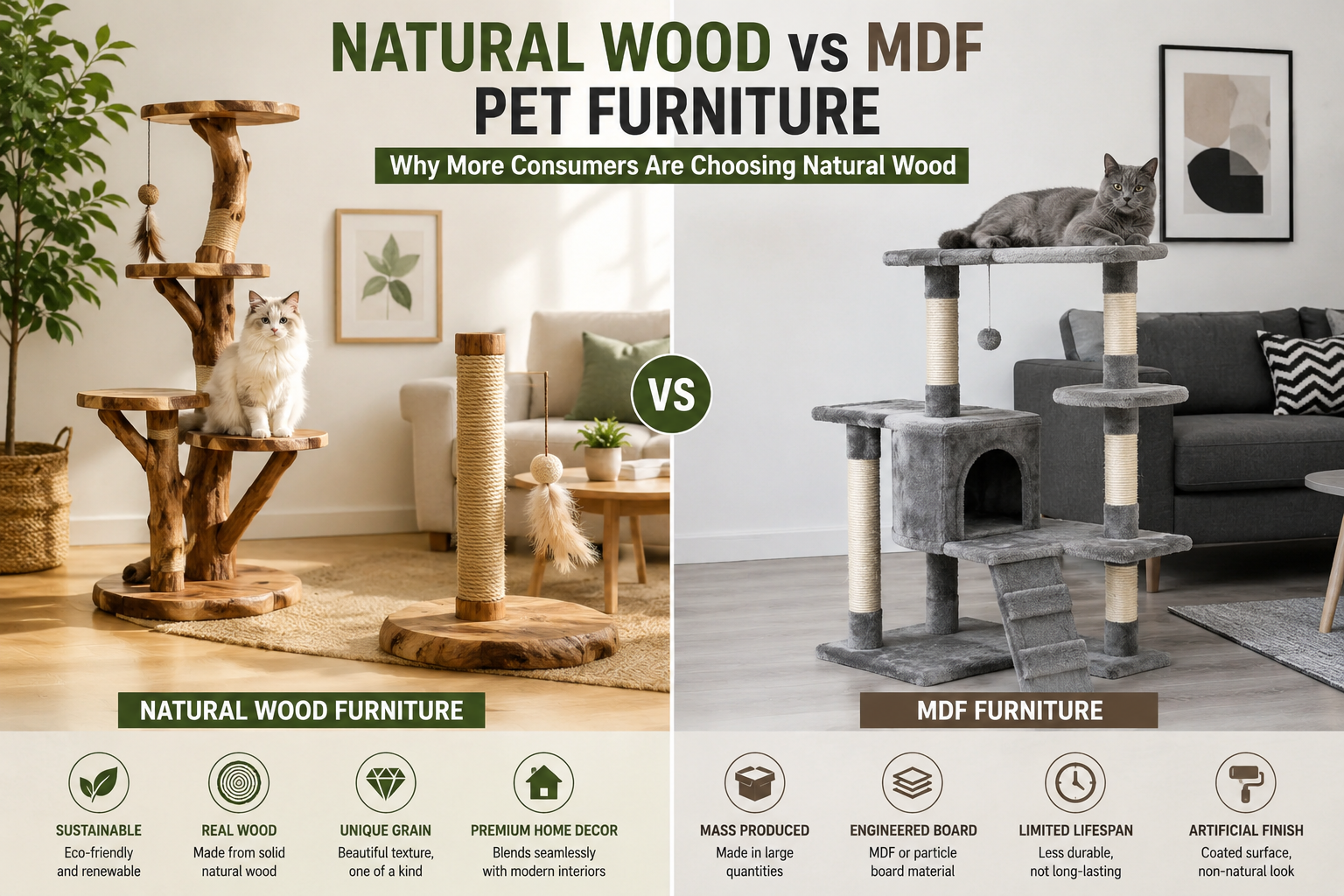
Natural Materials Are Winning Consumer Attention
At the same time, consumers are becoming more conscious about sustainability.
Interior designers consistently identify reclaimed wood, natural materials, handcrafted products, and eco-friendly furniture as some of the strongest home décor trends. Consumers increasingly prefer products that connect them with nature and reduce environmental impact.
This shift directly benefits natural pet furniture.
Products made from real wood often offer:
- Unique grain patterns
- Organic shapes
- Long-lasting durability
- Sustainable sourcing stories
- Better visual appeal
Unlike mass-produced plastic products, natural wood furniture feels authentic and blends naturally into modern interiors.
Why Pet Owners Prefer Furniture That Looks Good at Home
Many pet owners live in apartments, condominiums, or modern houses where aesthetics matter.
As a result, they increasingly seek products that satisfy both functional and visual needs.
For example:
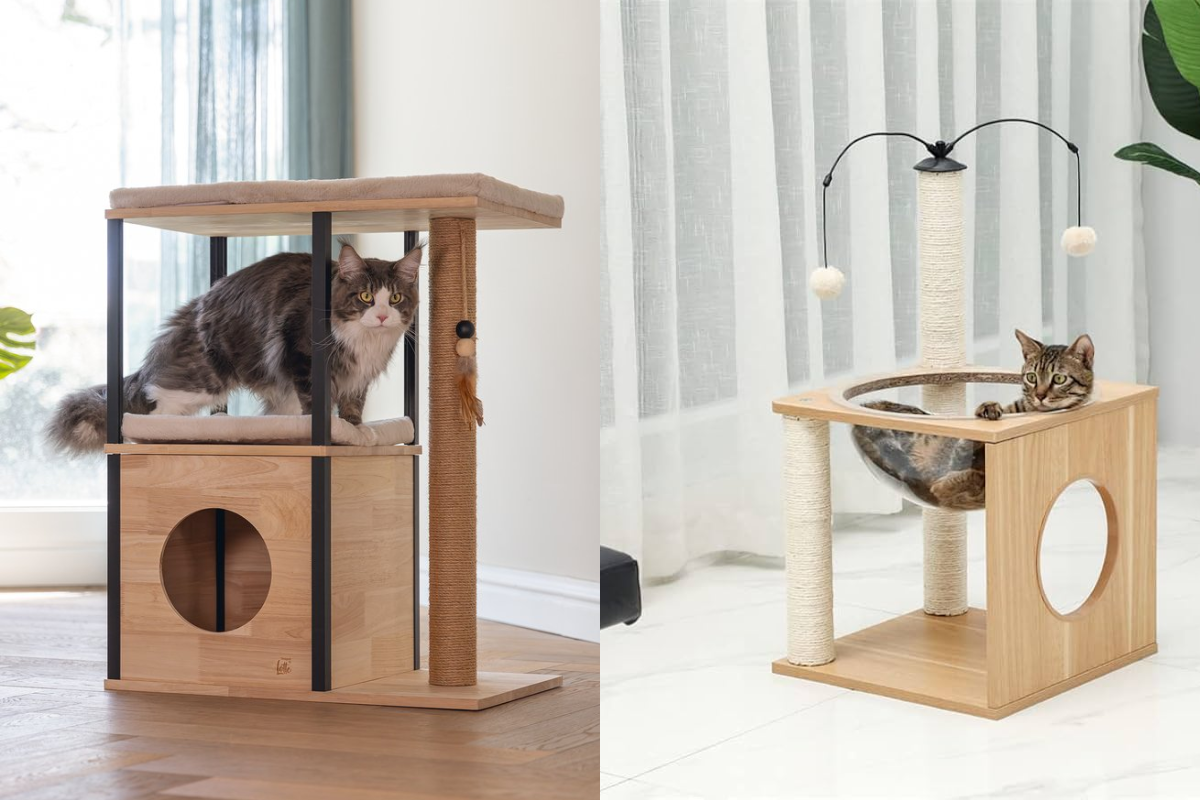
- Cat trees designed as decorative furniture
- Natural wood scratching posts
- Wooden bird stands that resemble sculptures
- Designer pet beds
- Elevated feeding stations
Consumers no longer want to choose between functionality and style. Instead, they expect both.
Recent home décor trends also show increasing demand for organic forms, natural textures, handcrafted products, and statement pieces that bring warmth into living spaces.
The Opportunity for Natural Wooden Pet Furniture
This trend creates significant opportunities for products made from retired coffee trees and other natural materials.
Products such as:
- Java Wood Bird Stands
- Wooden Cat Scratching Posts
- Natural Cat Trees
- Coffee Wood Pet Furniture
- Wooden Feeding Stations
fit perfectly within the growing intersection between pet care and home décor.
Unlike conventional pet products, these items offer a compelling story.
A retired coffee tree can become a beautiful piece of furniture that supports natural pet behavior while enhancing interior design.
For many consumers, that story matters just as much as the product itself.
Sustainability Is Becoming a Selling Point
Sustainability is no longer an optional feature.
Many consumers actively seek products that:
- Reduce waste
- Use renewable resources
- Support responsible sourcing
- Minimize synthetic materials
Design experts predict that reclaimed wood, recycled materials, and circular design concepts will continue gaining popularity in the coming years.
Pet products made from retired coffee trees align naturally with these values.
Instead of discarding old trees, manufacturers can transform them into durable and attractive pet furniture that serves a new purpose.
What Retailers Should Watch in 2026
Retailers looking for growth opportunities should pay attention to products that combine three powerful trends:
1. Pet Humanization
Consumers increasingly treat pets as family members.
2. Sustainable Living
Buyers actively seek environmentally responsible products.
3. Home Décor Integration
Pet products that blend into modern interiors continue gaining popularity.
When these trends overlap, products often command higher perceived value and stronger consumer interest.
結論
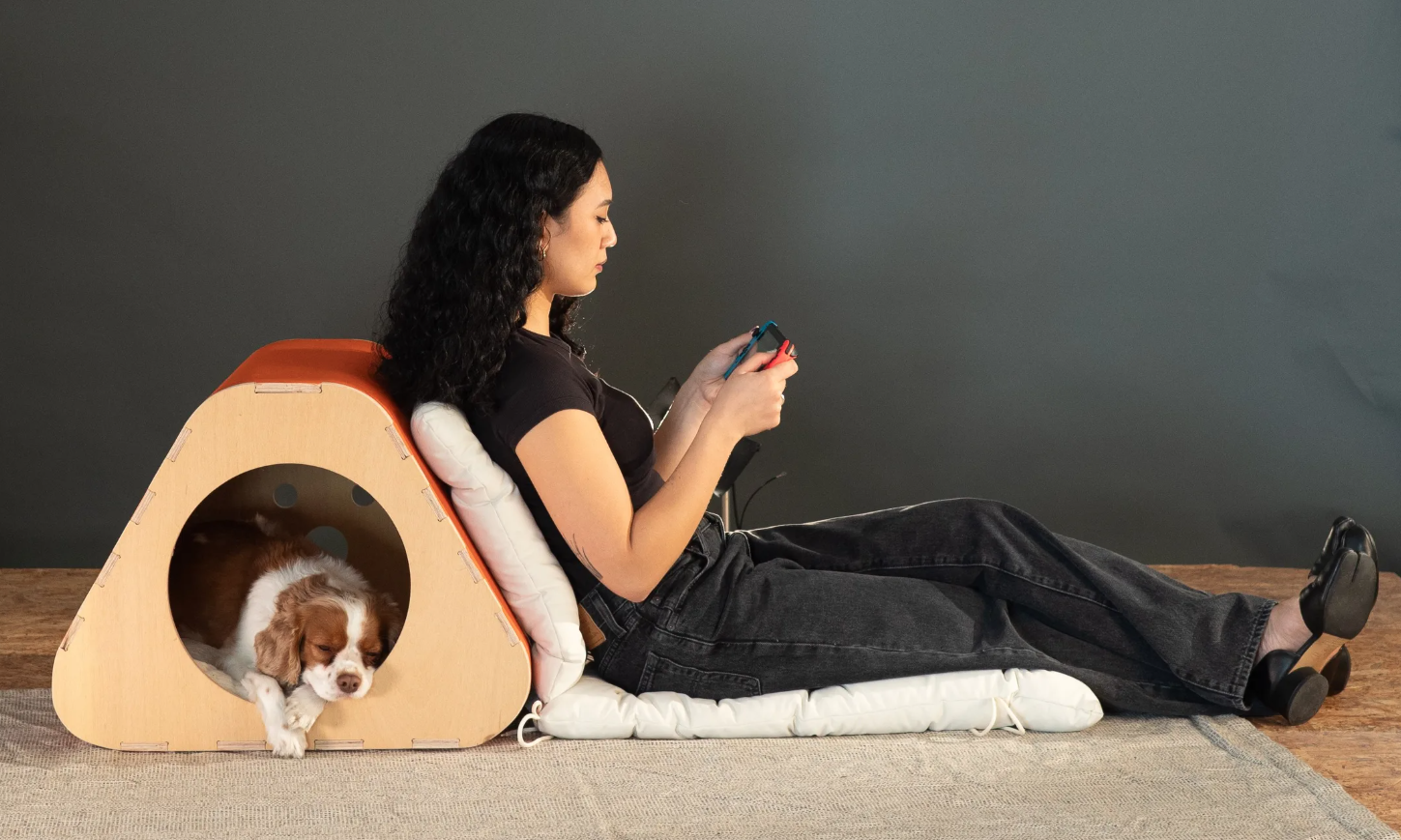
The future of pet furniture extends far beyond functionality.
Consumers increasingly want products that improve their pets’ lives while enhancing their homes. At the same time, sustainability, natural materials, and authentic craftsmanship are becoming key purchasing factors.
As the global pet furniture market continues to grow, products that combine pet care, home décor, and sustainability are well positioned for long-term success.
For manufacturers and retailers, the opportunity is clear: pet furniture is no longer just furniture for pets. It is becoming part of modern living.
 Contact TH Global Vietnam today to explore wholesale options.
 TH GLOBAL VIETNAM CO。、LTD
 Hotline: +84 382 803 290
 Email: [email protected]
 JA
JA  EN
EN  FR
FR  ES
ES  KO
KO