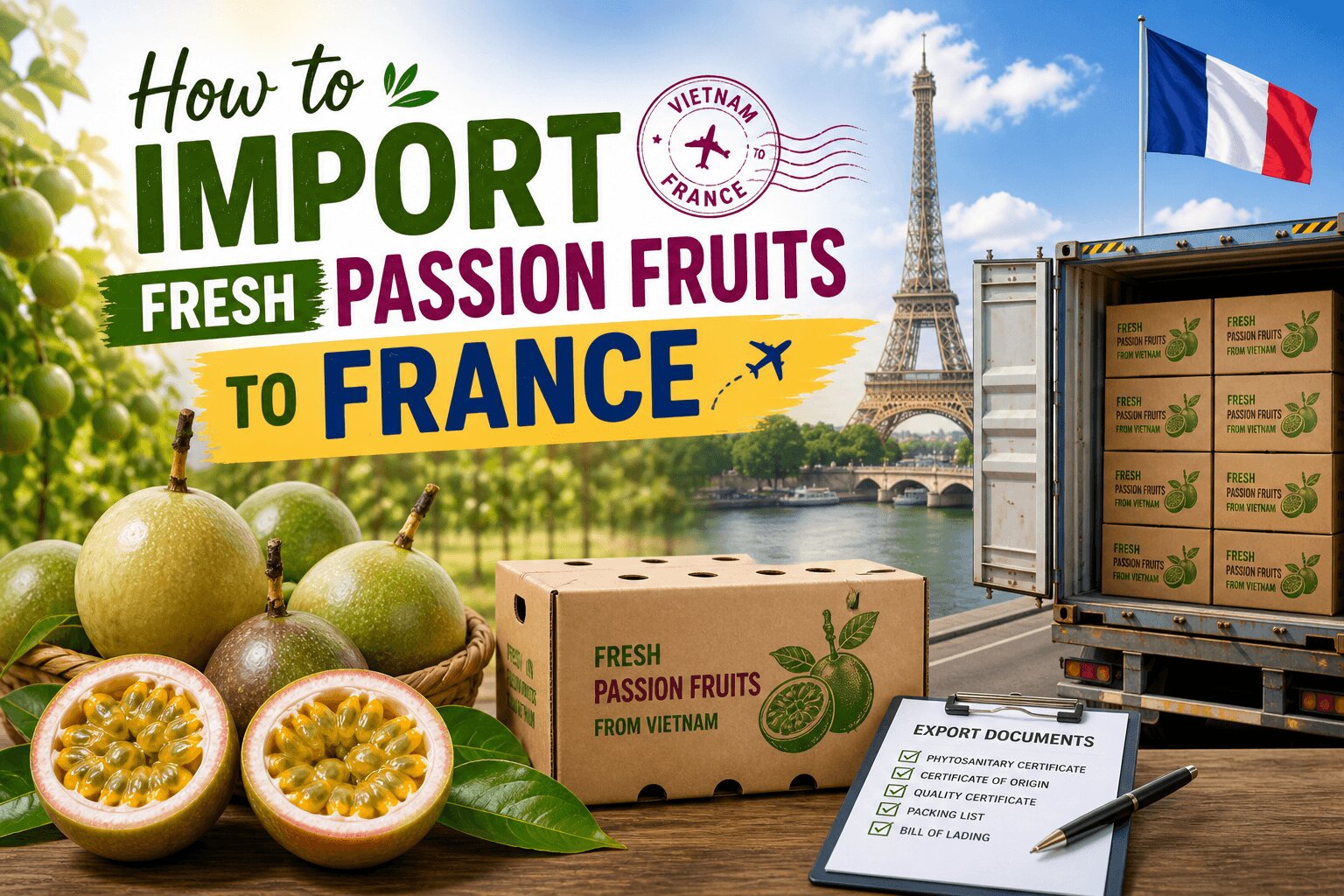
France is one of Europe’s most attractive markets for tropical fruits, driven by strong consumer demand for fresh, healthy, and exotic produce. Among these, passion fruit is gaining popularity due to its unique flavor, nutritional benefits, and versatility in both retail and foodservice sectors. For exporters and distributors, understanding how to import passion fruits France requires knowledge of regulations, logistics, quality standards, and supplier selection. This guide provides a clear overview of the key steps and requirements to successfully enter the French market.
1. Understand Market Demand in France
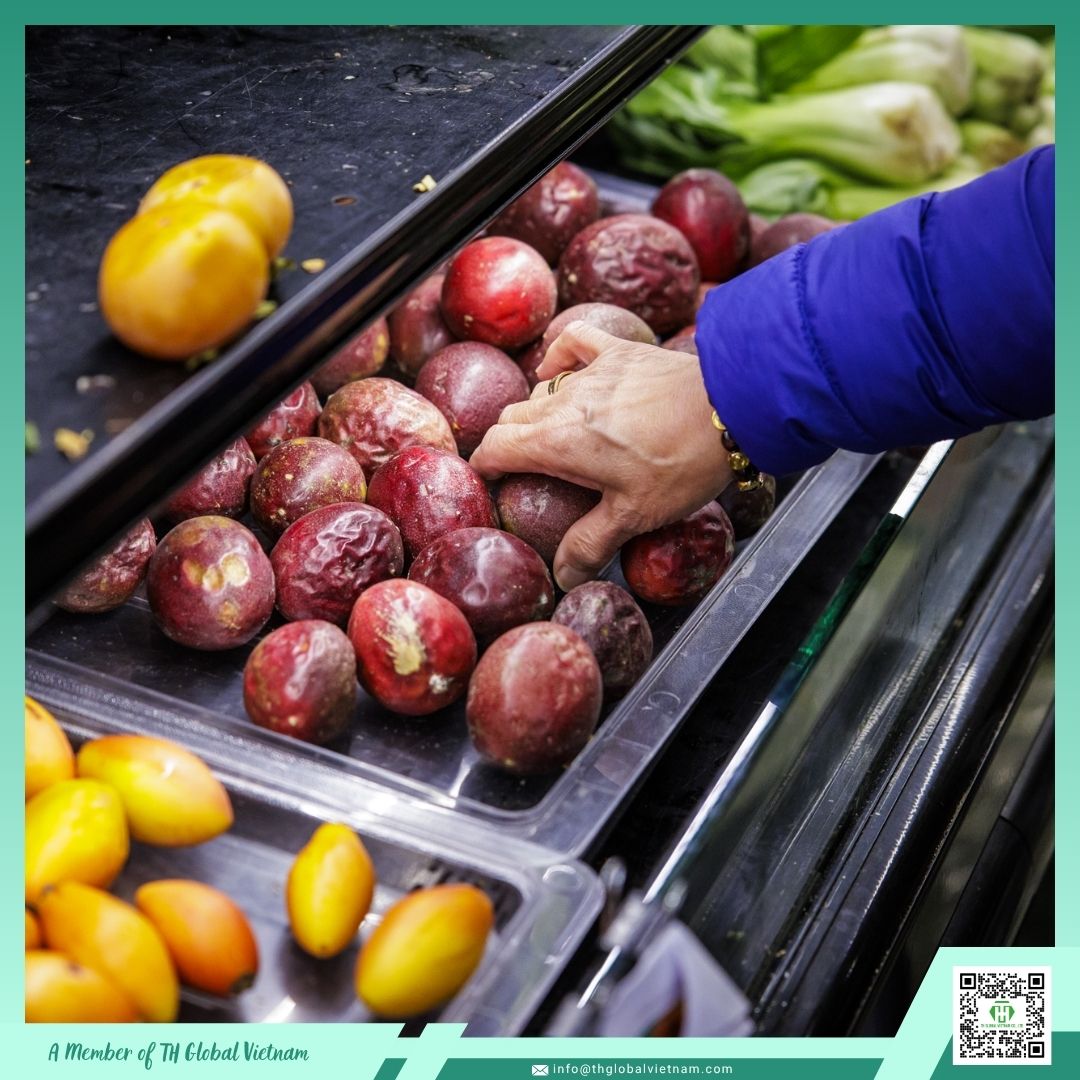
French consumers increasingly favor natural and premium fruits, especially those rich in vitamins and antioxidants. Passion fruit is widely used in:
- Fresh fruit retail
- Juice and smoothie production
- Desserts, pastries, and gourmet cuisine
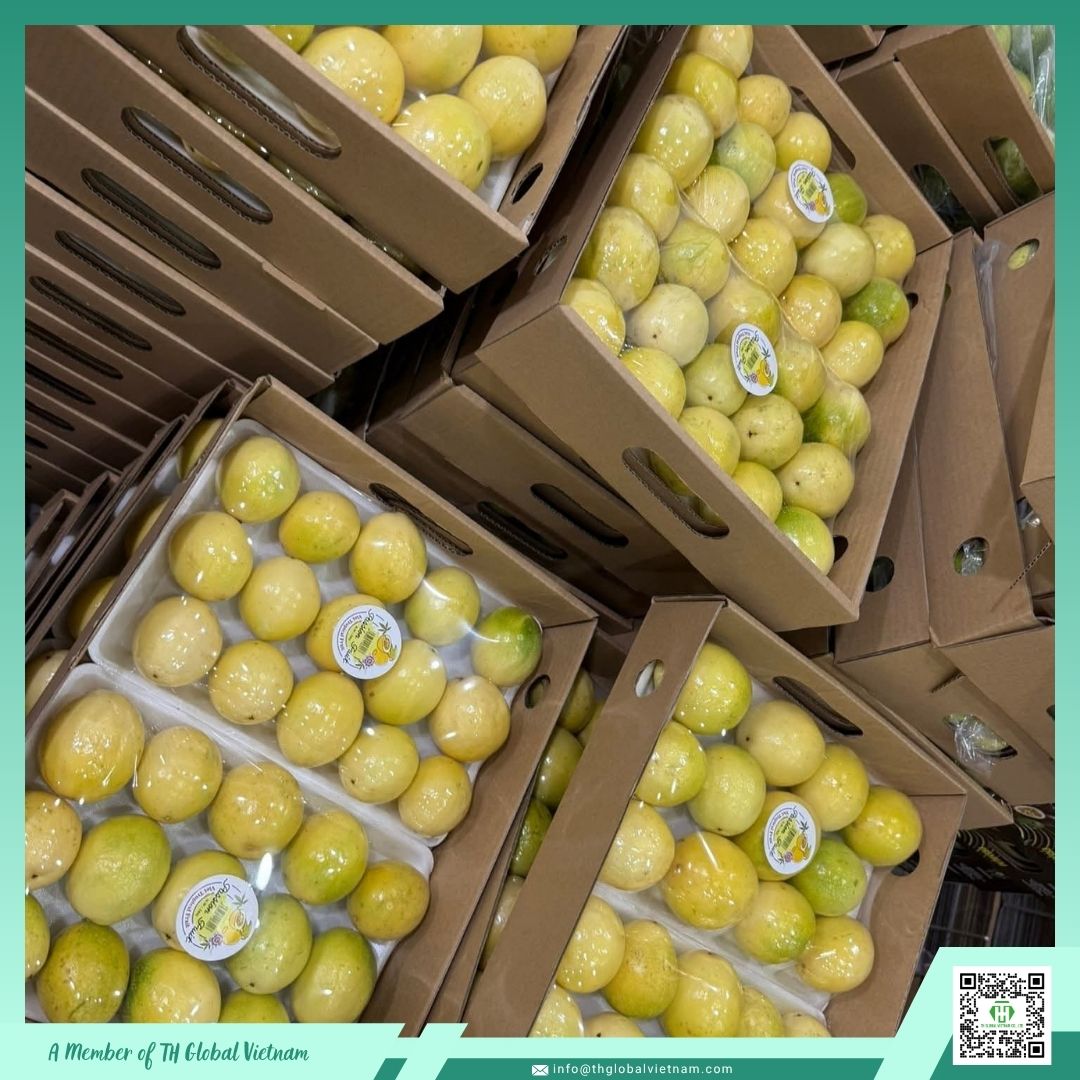
Both purple and yellow passion fruit varieties are accepted, with yellow passion fruit often preferred in processing due to its higher juice content.
To successfully import passion fruits France, it is important to match your product with the right market segment—retail or industrial.
2. Comply with EU Import Regulations
France follows strict European Union food safety and import standards. Importers must ensure that passion fruit shipments meet the following requirements:
- Phytosanitary certificate issued by the exporting country
- Compliance with Maximum Residue Limits (MRL) for pesticides
- Proper labeling and traceability
- Absence of harmful pests and contaminants
In addition, suppliers should follow internationally recognized standards such as GlobalG.A.P and HACCP.
Learn more about European Commission – Food Safety Regulations: https://food.ec.europa.eu
Meeting these requirements is essential for smooth customs clearance when you import passion fruits France.
3. Choose a Reliable Supplier
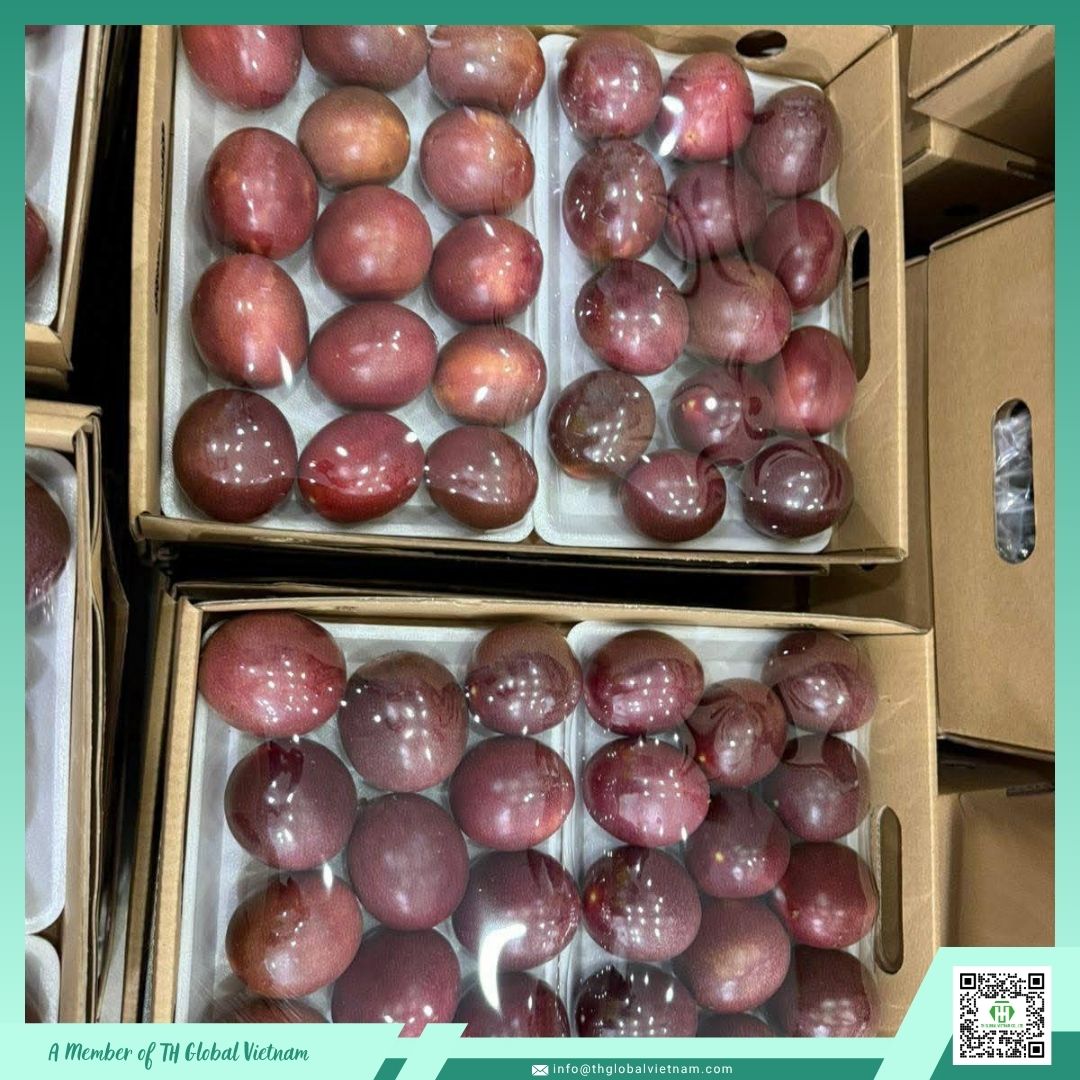
Selecting a trusted exporter is one of the most critical steps. A professional supplier should offer:
- Consistent quality and grading
- Experience exporting to EU markets
- Proper packaging and post-harvest handling
- Full export documentation
Vietnam is a strong sourcing origin thanks to its favorable climate, stable production, and growing export experience.
Learn more about Vietnamese Fresh Passion Fruits
4. Packaging and Quality Standards
For the French market, passion fruits must meet strict quality expectations:
- Uniform size and color
- Clean, undamaged skin
- Proper ripeness at arrival
- Good shelf life for distribution
Common packaging:
- 2 kg to 5 kg cartons for retail
- Bulk packaging for wholesalers
Packaging materials must be food-safe and designed to protect fruit during long-distance transport.
5. Logistics and Cold Chain Management
Maintaining freshness is crucial when exporting passion fruit to France. Importers should carefully plan logistics:
- Transport method: Air freight (premium quality) or sea freight (cost-efficient)
- Storage temperature: Typically 7–10°C
- Humidity control: Prevent dehydration and weight loss
A well-managed cold chain ensures the fruit arrives in optimal condition.
6. Timing and Seasonality
Timing plays an important role when you import passion fruits France. Vietnam offers nearly year-round supply, with peak production ensuring better pricing and quality.
Planning imports during peak season helps:
- Reduce sourcing costs
- Improve fruit quality
- Ensure stable supply
This is particularly important for large-scale distributors and supermarket chains.
7. Build Long-Term Partnerships
Successful import operations rely on strong relationships with suppliers. Working with experienced exporters allows importers to:
- Secure consistent volume
- Maintain product quality
- Adapt to market demand changes
- Reduce risks in logistics and compliance
Learn more about How to Source Vietnam Tropical Fruits in Bulk
To successfully import passion fruits France, importers must focus on compliance, quality control, logistics, and supplier reliability. France offers strong market potential, but it also requires strict adherence to EU standards.
By sourcing from experienced exporters and managing the supply chain effectively, importers can ensure consistent quality and build a sustainable business in the French tropical fruit market.
 EN
EN  FR
FR  ES
ES  JA
JA  KO
KO