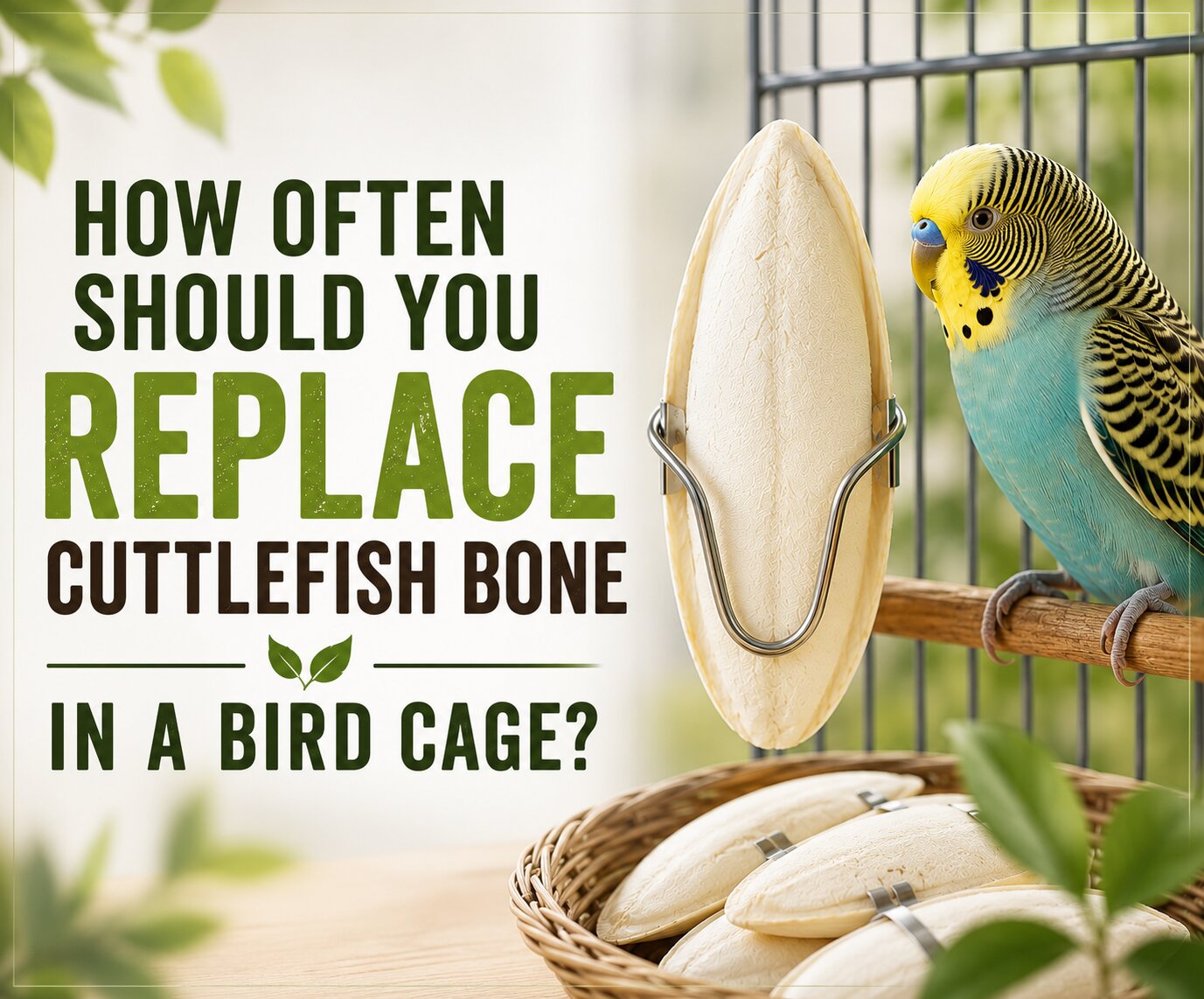
Cuttlefish bone is one of the most common and effective natural calcium supplements for pet birds. Whether you keep budgies, cockatiels, parrots, canaries, or finches, a cuttlefish bone provides essential minerals while helping maintain a healthy beak. However, many bird owners wonder when they should replace cuttlefish bone to ensure their pets continue receiving its full benefits.
The answer depends on several factors, including your bird’s species, chewing habits, and the condition of the cuttlefish bone. In this guide, we’ll explain how often to replace cuttlefish bone, the signs that indicate it’s time for a new one, and best practices for keeping your bird healthy.
Why Cuttlefish Bone Is Important
Before discussing when to replace cuttlefish bone, it’s helpful to understand why it is such a valuable accessory.
Cuttlefish bone naturally provides:
- Calcium for strong bones and eggshell development
- Minerals that support overall bird health
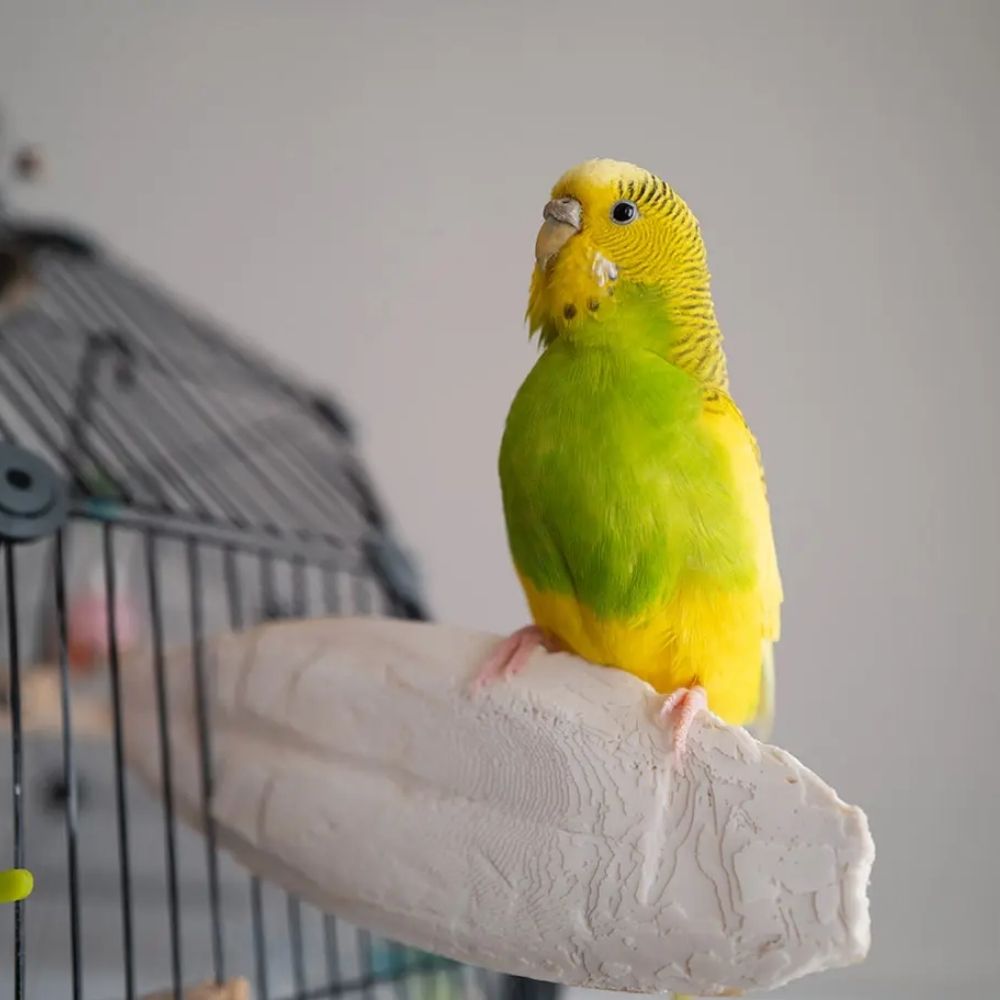
- A hard surface that helps trim and condition the beak
- Mental stimulation through pecking and chewing
Unlike powdered supplements, cuttlefish bone allows birds to regulate their own calcium intake while engaging in natural behaviors.
Learn more about Cuttlefish Bone vs. Calcium Powder: Which Works Better for Birds?
How Often Should You Replace Cuttlefish Bone?
In most cases, you should replace cuttlefish bone every 3 to 6 weeks, depending on how frequently your bird uses it.
Some birds peck at it every day, while others use it only occasionally. Rather than following a fixed schedule, it’s better to monitor its condition regularly.
Birds with higher calcium requirements, such as breeding females, may wear down a cuttlefish bone much faster than companion birds.
Signs It’s Time to Replace Cuttlefish Bone
Knowing when to replace cuttlefish bone is simple if you look for these signs.
1. The Bone Has Become Too Small
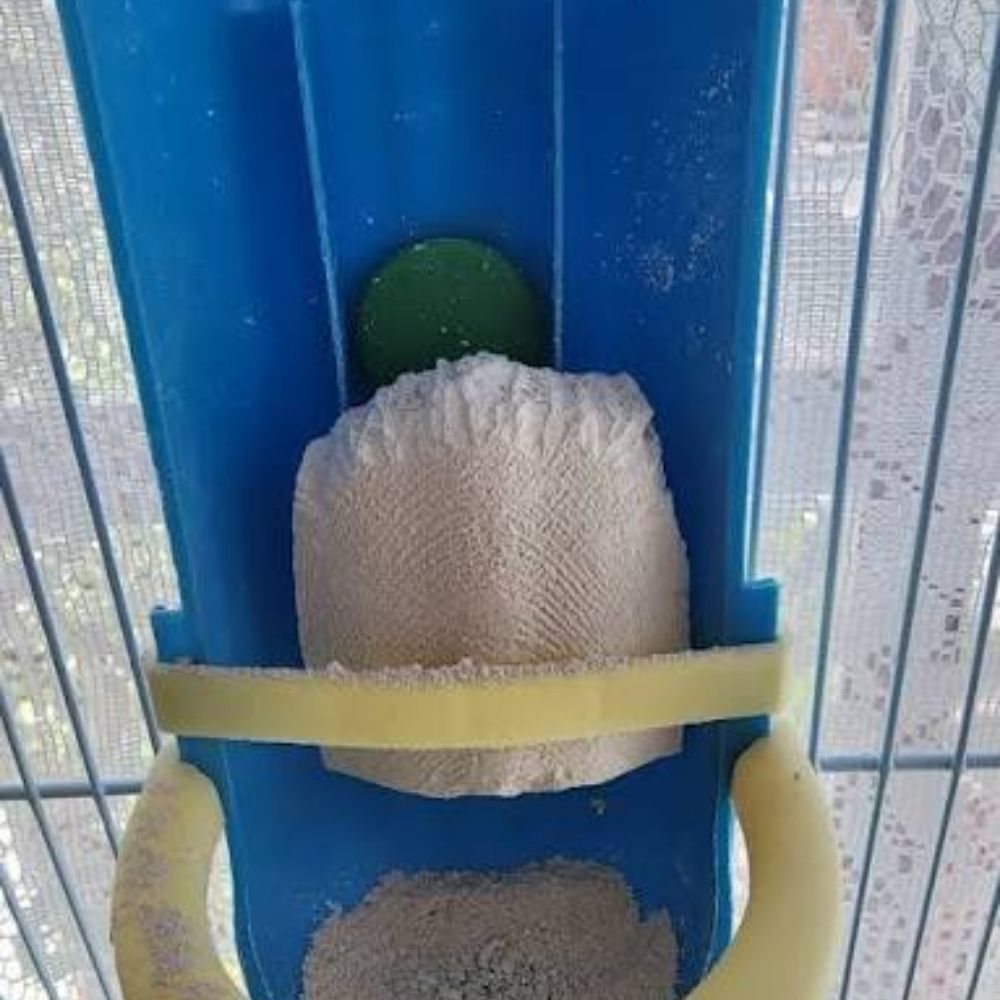
As birds peck and chew, the cuttlefish bone gradually wears away.
Once it becomes too small to attach securely to the cage or difficult for your bird to grip, it’s time for a replacement.
2. It Is Dirty or Contaminated
Food residue, droppings, and dust can accumulate on the surface over time.
If cleaning no longer restores the cuttlefish bone or contamination is significant, you should replace it with a fresh one.
Maintaining clean cage accessories helps reduce bacterial growth and supports your bird’s overall health.
3. It Shows Signs of Mold or Moisture Damage
Cuttlefish bone should always remain dry.
If it becomes damp due to high humidity or water exposure, mold may develop. Never allow birds to use moldy cuttlefish bone.
Immediately replace cuttlefish bone if you notice:
- Dark spots
- Unpleasant odors
- Visible mold
- Soft or crumbly texture
4. Your Bird Has Completely Worn It Down
Some active birds consume cuttlefish bone surprisingly quickly.
If only a thin layer remains, replacing it ensures your bird continues to have easy access to calcium and a proper chewing surface.
Tips to Make Cuttlefish Bone Last Longer
Although you should replace cuttlefish bone regularly, proper care can extend its lifespan.
Some helpful tips include:
- Mount it away from water dishes.
- Avoid placing it directly beneath perches where droppings may fall.
- Store unused cuttlefish bones in a cool, dry place.
- Check the condition during routine cage cleaning.
These simple steps help maintain freshness while reducing unnecessary waste.
Do All Birds Need Cuttlefish Bone?
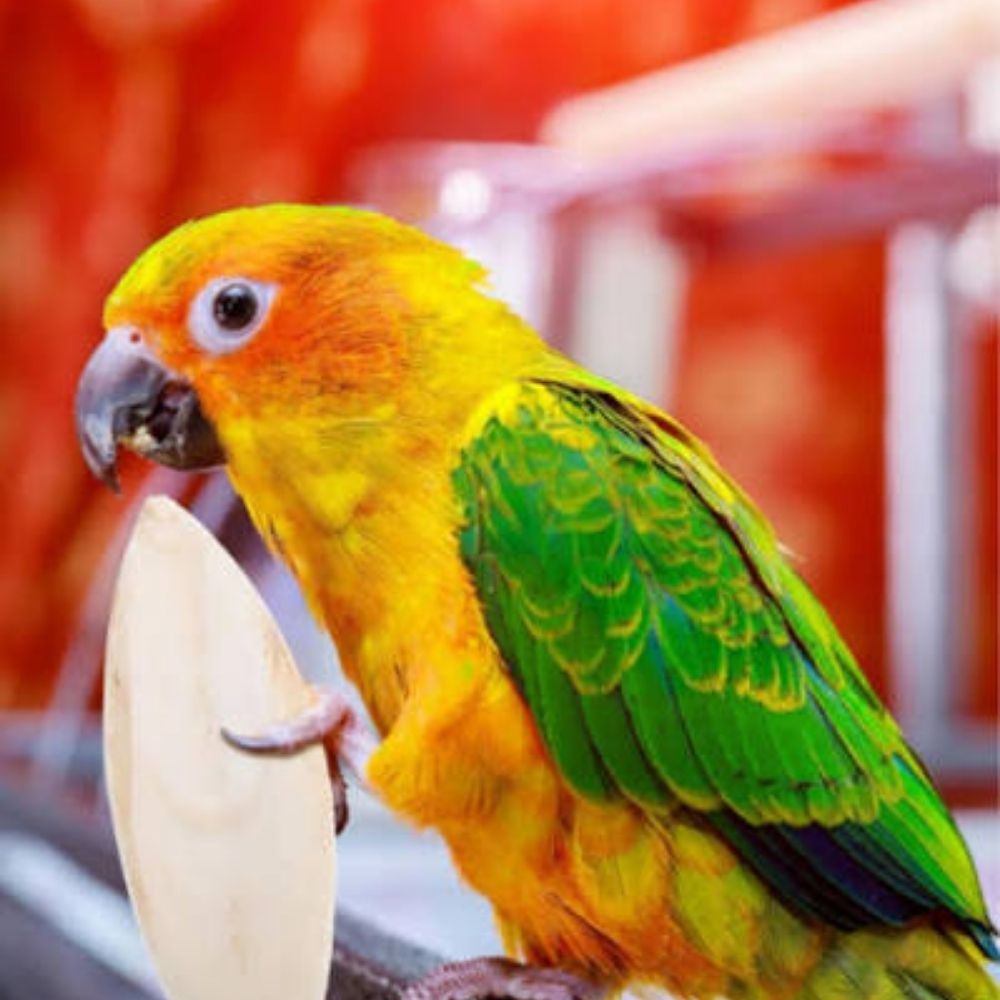
Most companion birds benefit from having continuous access to cuttlefish bone.
Species that commonly use it include:
- Budgies
- Cockatiels
- Lovebirds
- Parrots
- Canaries
- Finches
Birds naturally consume only the amount of calcium they need, making cuttlefish bone one of the safest long-term calcium sources.
Manufacturers such as TH Global Vietnam supply natural cuttlefish bones that are carefully cleaned, graded, and prepared for pet bird markets worldwide.
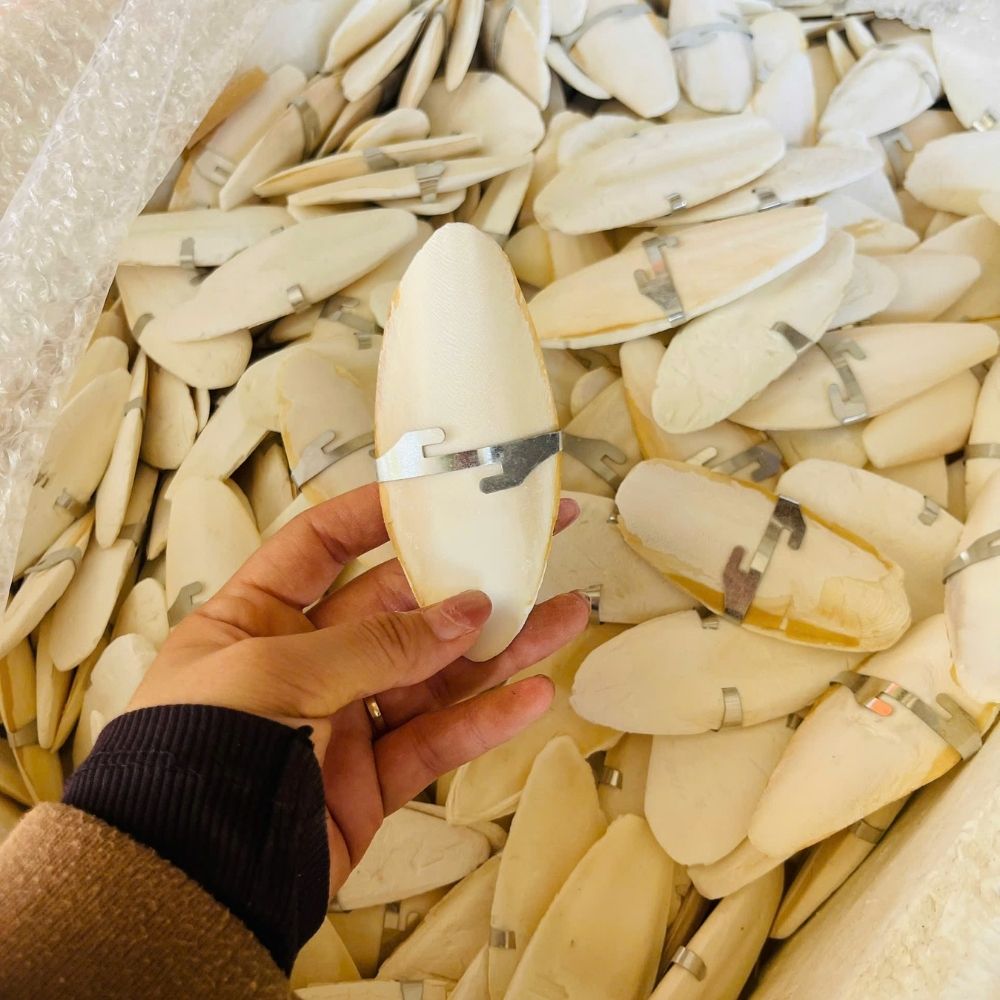
Choosing High-Quality Cuttlefish Bone
Not all cuttlefish bones are the same. When purchasing one, look for products that are:
- Naturally sourced
- Properly cleaned
- Free from artificial coatings
- Suitable for your bird’s size
High-quality products provide better durability and consistent calcium availability.
According to the Association of Avian Veterinarians, providing appropriate calcium sources is an important part of maintaining long-term bird health.
Learn more about feeding birds from Sash Vets’s documents
Knowing when to replace cuttlefish bone helps ensure your bird always has access to a fresh source of calcium and a safe surface for beak maintenance.
Although most cuttlefish bones last several weeks, regular inspection is more important than following a strict schedule. Replace the bone whenever it becomes too small, dirty, moldy, or heavily worn.
By making cuttlefish bone a permanent part of your bird’s cage, you’ll support healthier bones, stronger beaks, and more natural daily enrichment.
 FR
FR  EN
EN  ES
ES  JA
JA  KO
KO