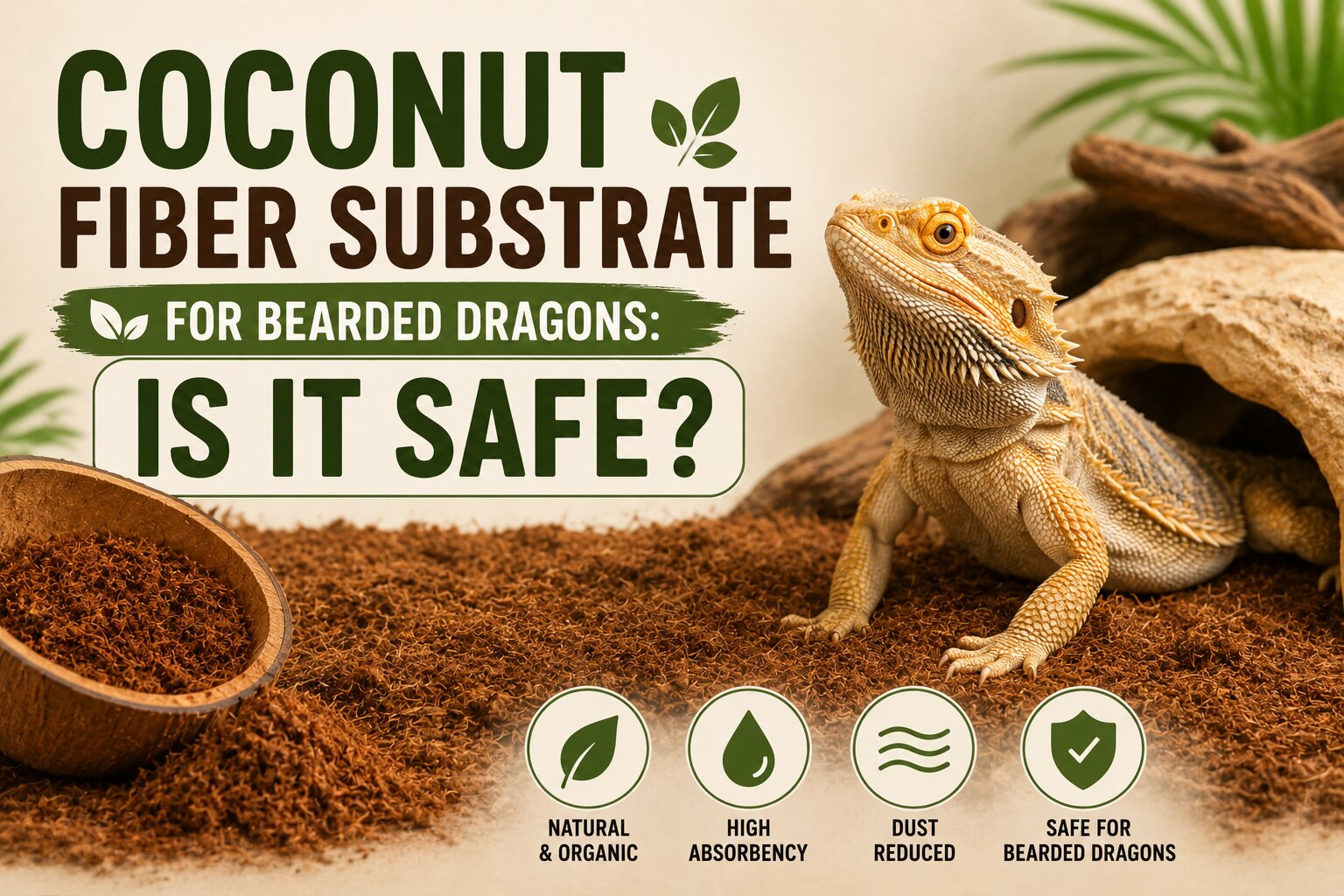
Choosing the right substrate is one of the most important decisions for bearded dragon owners. The substrate affects hygiene, comfort, humidity levels, and overall habitat safety. Among the many options available, coconut fiber substrate for bearded dragons has become increasingly popular due to its natural origin and eco-friendly properties.
However, many reptile keepers still ask an important question: Is coconut fiber substrate for bearded dragons safe?
The answer depends on how it is used. While coconut fiber offers several advantages, it also comes with considerations that every owner should understand before introducing it into a bearded dragon enclosure.
What Is Coconut Fiber Substrate?
Coconut fiber, also known as coco coir, is made from the husk of coconuts. It is commonly used in gardening, reptile habitats, and terrariums because of its excellent moisture retention and natural appearance.
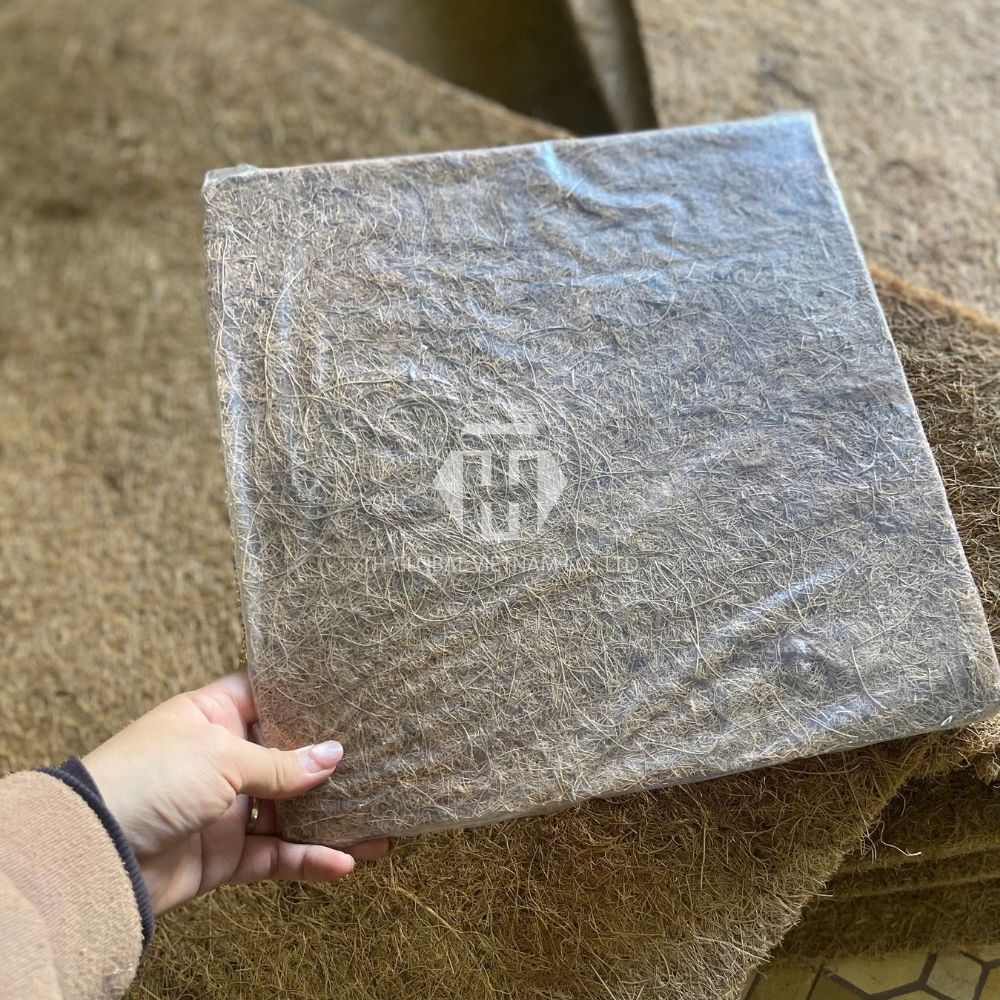
As a reptile bedding material, coconut fiber substrate for bearded dragons is available in loose fiber, compressed bricks, or blended substrate mixes.
Because it is biodegradable and renewable, coconut fiber is often chosen by reptile enthusiasts looking for sustainable enclosure materials.
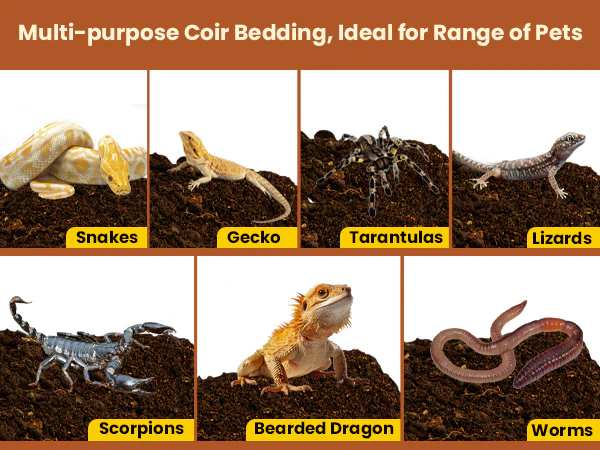
Benefits of Coconut Fiber Substrate for Bearded Dragons
1. Natural Appearance
One of the biggest advantages of coconut fiber substrate for bearded dragons is its ability to create a natural-looking habitat.
The dark brown texture closely resembles natural earth and can make an enclosure look more realistic and visually appealing.
2. Soft and Comfortable Surface
Coconut fiber provides a soft surface that is gentle on a reptile’s body and joints.
Compared with harder substrates, it allows bearded dragons to move comfortably throughout the enclosure.
3. Supports Digging Behavior
Many bearded dragons enjoy digging, especially females during breeding seasons.
A properly prepared coconut fiber substrate for bearded dragons can encourage natural burrowing and exploratory behavior, helping provide environmental enrichment.
4. Eco-Friendly and Sustainable
As environmental awareness grows, many reptile owners are replacing synthetic bedding materials with natural alternatives.
Coconut fiber is:
- Renewable
- Biodegradable
- Environmentally friendly
Manufacturers such as THグローバルベトナム produce coconut-based reptile products using agricultural by-products that would otherwise be discarded.
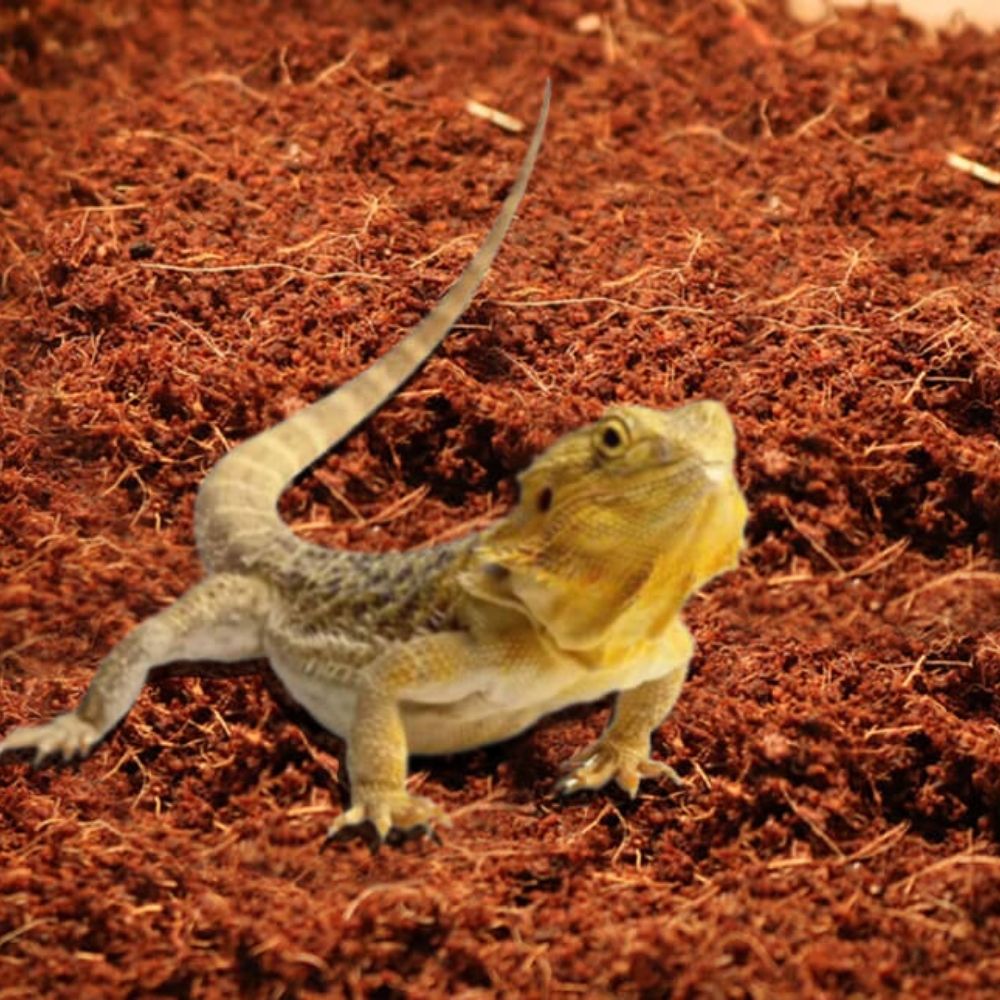
Potential Risks of Coconut Fiber for Bearded Dragons
Although coconut fiber substrate for bearded dragons offers many benefits, it is not without drawbacks.
1. Humidity Concerns
Bearded dragons originate from arid regions of Australia and generally require relatively low humidity levels.
Coconut fiber naturally retains moisture, which can increase enclosure humidity if not managed properly.
Excessive humidity may contribute to:
- Respiratory issues
- Bacterial growth
- Uncomfortable living conditions
For this reason, owners should regularly monitor humidity levels when using coconut fiber.
2. Risk of Accidental Ingestion
Like other loose substrates, coconut fiber can sometimes be ingested during feeding.
While small amounts may pass through the digestive system, excessive ingestion could increase the risk of impaction in certain situations.
To reduce this risk:
- Feed insects in separate feeding dishes
- Avoid overly loose substrate around feeding areas
- Monitor young dragons carefully
3. Requires Regular Maintenance
Because coconut fiber retains moisture, it requires routine cleaning and replacement.
Spot cleaning should be performed regularly to maintain enclosure hygiene and prevent bacterial buildup.
When Is Coconut Fiber a Good Choice?
Coconut fiber substrate for bearded dragons can work well when:
- Used in bioactive enclosures
- Mixed with other substrate materials
- Humidity is carefully monitored
- Owners provide proper enclosure ventilation
Many experienced reptile keepers use coconut fiber as part of a custom substrate blend rather than as a standalone substrate.
Alternatives to Coconut Fiber
Some owners prefer alternatives such as:
- Reptile carpet
- Ceramic tile
- Excavator clay
- Bioactive substrate blends
Each option has its own advantages and should be selected based on husbandry goals and experience level.
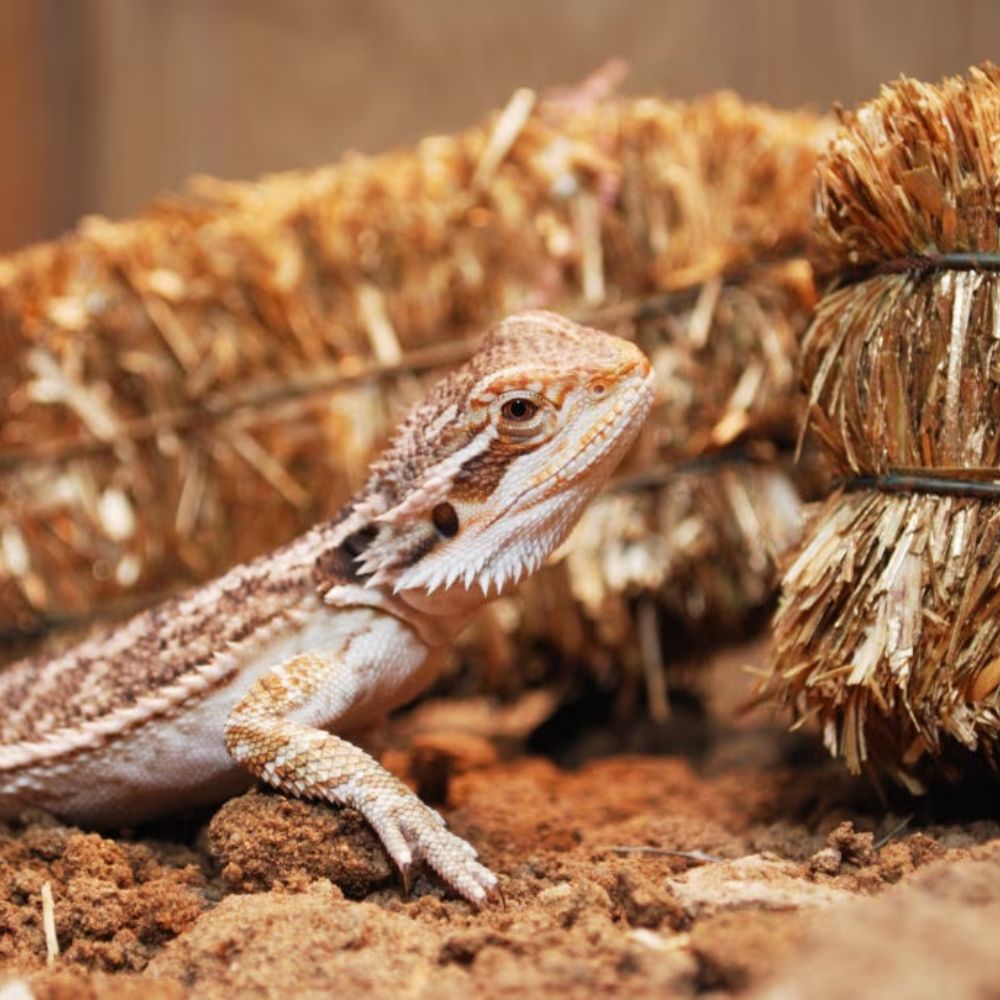
Learn more about A Detailed Guide on Proper Housing for Pet Reptiles and Amphibians from Currumbin Valley Vet
Yes, coconut fiber substrate for bearded dragons can be safe when used correctly and maintained properly. Its natural appearance, comfort, and sustainability make it an attractive option for many reptile owners.
However, because bearded dragons thrive in relatively dry environments, humidity management is essential. Owners should monitor enclosure conditions carefully and take steps to minimize accidental substrate ingestion.
For experienced keepers seeking a naturalistic habitat, coconut fiber can be a valuable addition to a well-designed enclosure.
 JA
JA  EN
EN  FR
FR  ES
ES  KO
KO